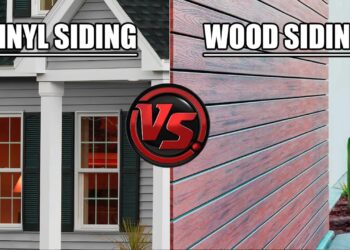
Introduction to Wood Siding and Vinyl Siding
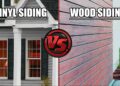
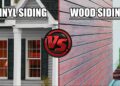
Wood siding and vinyl siding are two popular options for exterior cladding in residential construction. Wood siding is a traditional choice, known for its natural beauty and classic appeal, while vinyl siding is a more modern alternative with its low maintenance and durability.Wood siding is typically made from cedar, redwood, pine, or spruce, offering a warm and organic look to a home.
On the other hand, vinyl siding is made from PVC (polyvinyl chloride) resin, providing a wide range of colors and textures to choose from.In modern construction, vinyl siding has gained popularity due to its low cost, easy installation, and minimal maintenance requirements.
Wood siding, on the other hand, appeals to homeowners looking for a more traditional and natural aesthetic for their homes.
Basic Characteristics of Wood Siding and Vinyl Siding
- Wood Siding:
- Natural appearance
- Requires regular maintenance like painting or staining
- Susceptible to rot, insect damage, and warping
- Vinyl Siding:
- Durable and low maintenance
- Wide range of colors and styles
- Resistant to rot, insects, and weathering
Popularity of Wood Siding and Vinyl Siding in Modern Construction
Due to its affordability and ease of maintenance, vinyl siding has become a popular choice among homeowners and builders. Its versatility in design options and long-term durability make it a practical option for many residential projects.
Wood siding, despite its higher maintenance requirements, continues to be favored by those seeking a more natural and timeless look for their homes. It adds character and charm to a property, appealing to those who appreciate the beauty of real wood.
Fire Safety Ratings of Wood Siding
When it comes to wood siding, understanding the fire safety ratings is crucial for homeowners looking to make informed decisions about their property.
Ignition Resistance of Wood Siding Materials
Wood siding materials have varying levels of ignition resistance depending on the type of wood used and how it is treated. Softwoods like pine are more susceptible to ignition compared to hardwoods like cedar or redwood. Proper installation and maintenance can also impact the ignition resistance of wood siding.
Fire-Retardant Treatments for Wood Siding
For homeowners concerned about the fire safety of wood siding, there are fire-retardant treatments available that can help reduce the risk of ignition and slow down the spread of flames. These treatments typically involve applying chemical coatings or impregnating the wood with fire-resistant substances.
Fire Safety Ratings of Vinyl Siding
Vinyl siding is a popular choice for homeowners due to its durability and low maintenance requirements. When it comes to fire safety, vinyl siding has specific ratings that determine its performance in case of a fire.Vinyl siding typically has a Class A fire rating, which is the highest rating for fire resistance.
This means that vinyl siding is highly effective at preventing the spread of flames and can withstand exposure to fire better than other materials.
Flammability Characteristics of Vinyl Siding
Vinyl siding is made from PVC (polyvinyl chloride), which is a synthetic material known for its resistance to fire. In the event of a fire, vinyl siding will not contribute to the flames and will not spread the fire to other parts of the building.One important factor to consider is that vinyl siding can melt when exposed to extreme heat, which can be a concern if the fire is intense.
However, the fire-resistance properties of vinyl siding make it a safe choice for homeowners looking to protect their homes from fire damage.
Comparison to Wood Siding
When comparing vinyl siding to wood siding in terms of fire safety, vinyl siding has a clear advantage. Wood siding is highly flammable and can easily catch fire, leading to rapid spread and significant damage to the home.In contrast, vinyl siding's Class A fire rating and non-combustible nature make it a safer option for homeowners concerned about fire safety.
While no material is completely fireproof, vinyl siding offers a higher level of protection against fire hazards compared to wood siding.
Codes and Regulations
When it comes to choosing between wood siding and vinyl siding for your home, it's crucial to consider the relevant building codes and regulations that impact your decision. These codes are in place to ensure the safety and well-being of homeowners, as well as to regulate the materials used in construction.
Building Codes and Siding Materials
- Building codes vary by location and typically dictate the type of materials that can be used for siding.
- Wood siding may be subject to stricter regulations due to its flammability compared to vinyl siding.
- Vinyl siding is often favored in areas with strict fire safety requirements because of its fire-resistant properties.
Specific Fire Safety Requirements
- Homeowners should be aware of any specific fire safety requirements in their area when choosing between wood siding and vinyl siding.
- Wood siding may require additional fire retardant treatments to meet certain codes, adding to the cost and maintenance of the material.
- Vinyl siding, on the other hand, is inherently fire-resistant and may offer a more cost-effective solution for meeting fire safety regulations.
Maintenance and Inspections
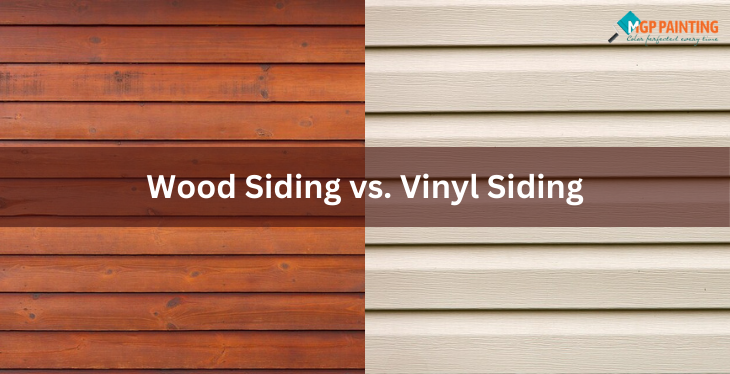
Maintaining and inspecting your siding is crucial to ensure fire safety in your home. Both wood siding and vinyl siding have specific requirements to keep them in top condition and reduce fire hazards.
Maintenance and Inspections for Wood Siding
When it comes to wood siding, regular maintenance is key to preventing fire hazards. Here are some tips on how to inspect wood siding for fire safety:
- Check for any signs of rot or decay in the wood, as this can increase the risk of fire spreading.
- Look for cracks or gaps in the siding where embers could potentially get trapped.
- Ensure that any flammable materials are kept away from the siding to reduce the risk of ignition.
- Regularly clean the siding to remove any debris or buildup that could easily catch fire.
Maintenance and Inspections for Vinyl Siding
Vinyl siding also requires regular maintenance and inspections to uphold fire safety standards. Here are some procedures to follow:
- Inspect the siding for any signs of damage, such as cracks or melting, which could compromise the fire resistance of the material.
- Keep any heat sources, such as grills or fire pits, at a safe distance from the vinyl siding to prevent melting or ignition.
- Clean the siding regularly to prevent the buildup of debris or flammable materials that could pose a fire hazard.
- Ensure that the siding is properly installed and sealed to prevent any gaps where embers could enter and cause a fire.
Environmental Impact
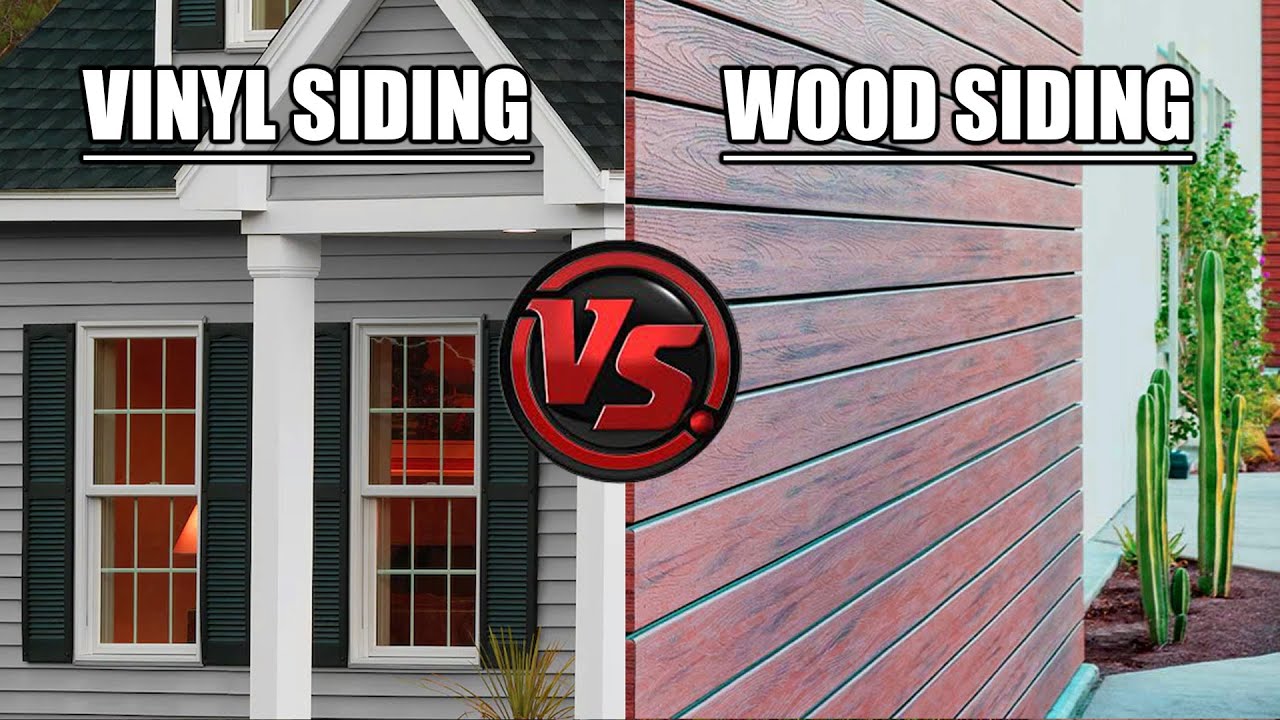
Wood and vinyl siding have different environmental impacts that homeowners should consider when choosing between the two materials. While both have pros and cons, understanding how each material affects the environment is crucial for making an informed decision.
Comparison of Environmental Impact
- Wood siding is a renewable resource, making it a more sustainable option compared to vinyl siding, which is a petroleum-based product.
- The production of vinyl siding releases toxic chemicals into the environment, contributing to air and water pollution.
- Wood siding has a lower carbon footprint than vinyl siding, as it requires less energy to produce and is biodegradable.
Sustainable Options within Wood and Vinyl Siding
- For environmentally-conscious homeowners, choosing wood siding from sustainably managed forests can help reduce the environmental impact.
- Opting for vinyl siding made from recycled materials can lower the overall carbon footprint of the product.
- Exploring eco-friendly coatings and treatments for both wood and vinyl siding can further enhance their sustainability.
Questions and Answers
What are the fire safety ratings associated with wood siding?
Wood siding typically has a lower fire safety rating compared to vinyl siding. It is essential to consider this factor when choosing siding materials for your home.
How does vinyl siding perform in terms of fire safety compared to wood siding?
Vinyl siding generally has better fire safety ratings than wood siding due to its composition and properties. This can be a crucial factor in enhancing the overall safety of your home.
Are there specific fire safety requirements that homeowners should be aware of when choosing between wood siding and vinyl siding?
Homeowners should be aware of local building codes and regulations that dictate the fire safety standards for siding materials. Consulting with professionals can help ensure compliance and safety.