Benefits of VR in Office Fit Out Companies
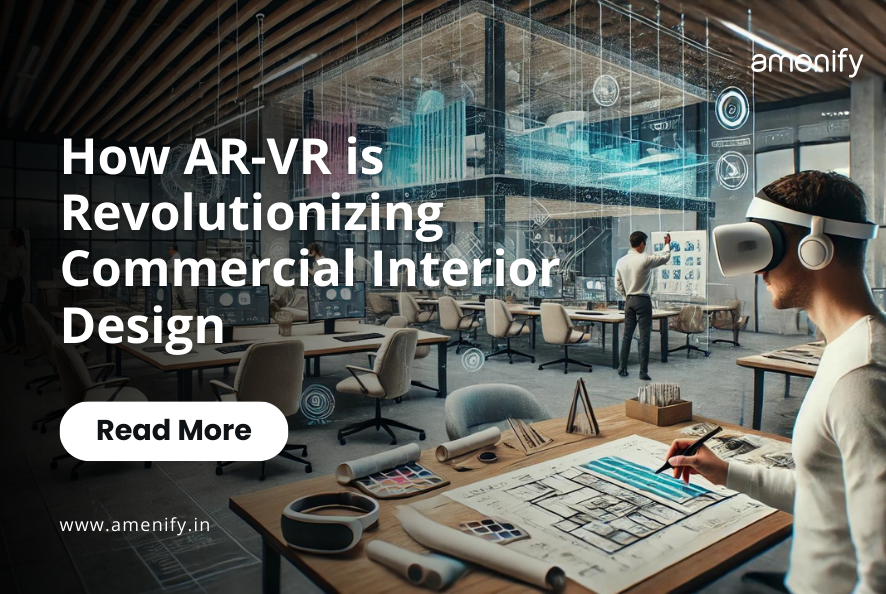
Virtual Reality (VR) technology has revolutionized the way office fit-out companies preview commercial designs, offering a range of benefits for both clients and designers alike.
Enhanced Visualization
- VR technology allows clients to visualize the final design in a realistic 3D environment, providing a clearer understanding of the space layout and design elements.
- Designers can showcase their ideas more effectively, ensuring that clients have a better grasp of the design concept before implementation.
Improved Collaboration
- VR enables real-time collaboration between clients and designers, allowing for instant feedback and adjustments to be made during the design process.
- Designers can work closely with clients to make changes on the spot, ensuring that the final design meets the client's expectations.
Cost and Time Savings
- By using VR technology to preview designs, clients can make informed decisions early on, reducing the need for costly changes during construction.
- Designers can streamline the design process, saving time and resources by addressing potential issues before they arise.
Successful Projects Utilizing VR
- In a recent project, an office fit-out company used VR to showcase a new workspace design to a client, resulting in a faster approval process and a more accurate representation of the final design.
- Another successful case involved a retail space fit-out where VR technology was used to preview store layouts, leading to increased customer engagement and sales.
Increased Efficiency and Cost-Effectiveness
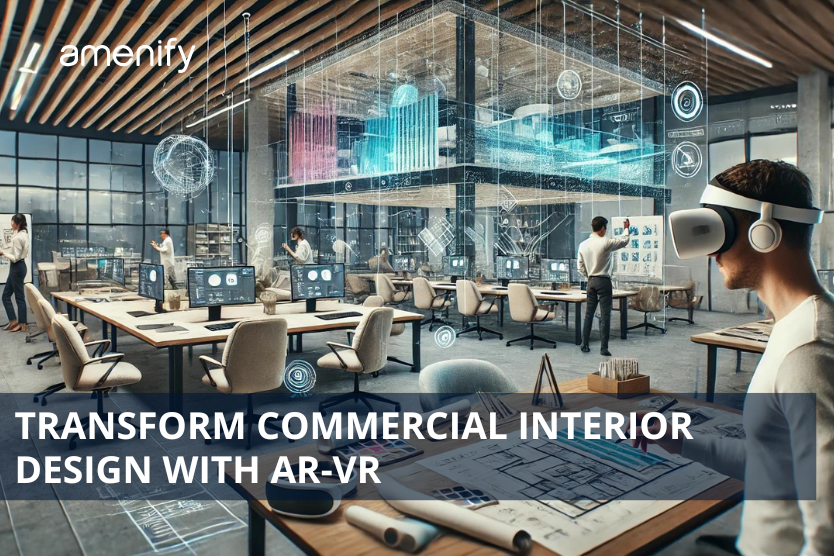
Virtual Reality (VR) technology has revolutionized the way office fit-out companies approach design previews, leading to increased efficiency and cost-effectiveness in commercial projects. By immersing clients and designers in a virtual environment, VR streamlines the design review process, allowing stakeholders to experience the space before construction begins.
Streamlining Design Review Process
- VR enables clients to visualize the final design in a realistic and interactive way, providing a better understanding of the space layout and design elements.
- Designers can make real-time changes and adjustments to the virtual model based on client feedback, leading to quicker decision-making and approvals.
- Virtual walkthroughs allow stakeholders to identify potential issues or design flaws early on, reducing the need for costly changes during the construction phase.
Efficiency of VR vs. Traditional Methods
- Compared to traditional methods such as 2D drawings or physical mock-ups, VR offers a more immersive and comprehensive preview of the design, leading to better decision-making and collaboration among stakeholders.
- With VR, design iterations can be made quickly and efficiently, saving time and resources that would otherwise be spent on multiple revisions.
- Virtual reality eliminates the need for physical prototypes or models, reducing material costs and minimizing waste in the design process.
Cost Savings with VR Technology
- By catching design errors early on and avoiding rework during construction, VR helps reduce project costs and stay within the budget.
- Virtual design previews minimize the risk of costly changes or modifications later in the project timeline, ensuring a more efficient use of resources.
- Clients can make informed decisions based on the virtual experience, reducing the likelihood of costly design changes or delays during the construction phase.
Enhanced Client Engagement
Virtual Reality (VR) tools have revolutionized the way office fit out companies engage with their clients during the design phase. By providing immersive experiences, VR enhances client engagement and communication, leading to better outcomes.
Improved Communication
- VR allows clients to virtually walk through the office space before any physical changes are made, giving them a realistic preview of the design.
- Designers can easily make adjustments based on client feedback in real-time during VR sessions, fostering collaboration and understanding.
- Clients can provide specific feedback on elements they like or dislike, leading to a more tailored final design that meets their needs.
Effective Visualization
- With VR previews, clients can visualize the final office design more effectively, helping them make informed decisions and feel more confident about the project.
- Virtual walkthroughs enable clients to understand spatial layouts, furniture placement, and overall aesthetics with greater clarity, reducing misunderstandings.
- Seeing a realistic representation of the design in VR helps clients envision the end result, leading to a smoother design process and higher satisfaction levels.
Customization and Design Flexibility
Virtual Reality (VR) technology has revolutionized the way office fit-out companies approach commercial designs, offering unparalleled customization and design flexibility. VR tools have enabled designers to make real-time changes and adjustments to design concepts, allowing for a more dynamic and interactive design process.
Greater Customization Opportunities
- VR allows designers to experiment with different layouts, color schemes, and furniture arrangements in a virtual environment, giving clients a more comprehensive understanding of the design possibilities.
- Designers can customize every aspect of the office space, from the placement of walls to the selection of materials, creating tailored solutions that meet the specific needs and preferences of each client.
Real-Time Design Adjustments
- With VR technology, designers can easily modify design elements on the spot, allowing for instant feedback and collaboration with clients to refine the design in real-time.
- This capability speeds up the design process and eliminates the need for multiple revisions, resulting in more efficient and cost-effective projects.
Impact on Design Creativity and Innovation
- VR has sparked a new wave of creativity and innovation in fit-out projects, empowering designers to think outside the box and explore unconventional design ideas with ease.
- By providing a realistic and immersive visualization of the design concepts, VR encourages designers to push boundaries and create cutting-edge solutions that elevate the overall design quality.
Question & Answer Hub
How does VR technology enhance the preview of commercial designs?
VR technology allows for immersive 3D walkthroughs of design concepts, providing a realistic preview experience for clients and designers.
What cost savings are associated with using VR in commercial design projects?
VR streamlines the design review process, reducing the need for physical prototypes and minimizing iterations, leading to cost savings in the long run.
How does VR enhance client engagement during the design phase?
VR tools enable clients to actively participate in the design process, offering them a unique and interactive way to provide feedback and make decisions.
Can VR tools allow for real-time changes and adjustments to design concepts?
Yes, VR tools enable designers to make instant modifications to designs, fostering greater customization and flexibility in commercial projects.
What impact does VR have on design creativity and innovation in fit-out projects?
VR stimulates creativity by offering a dynamic platform for exploring new design ideas and pushing the boundaries of traditional design practices in fit-out projects.