Understanding Emergency Heating and Air Backup Systems
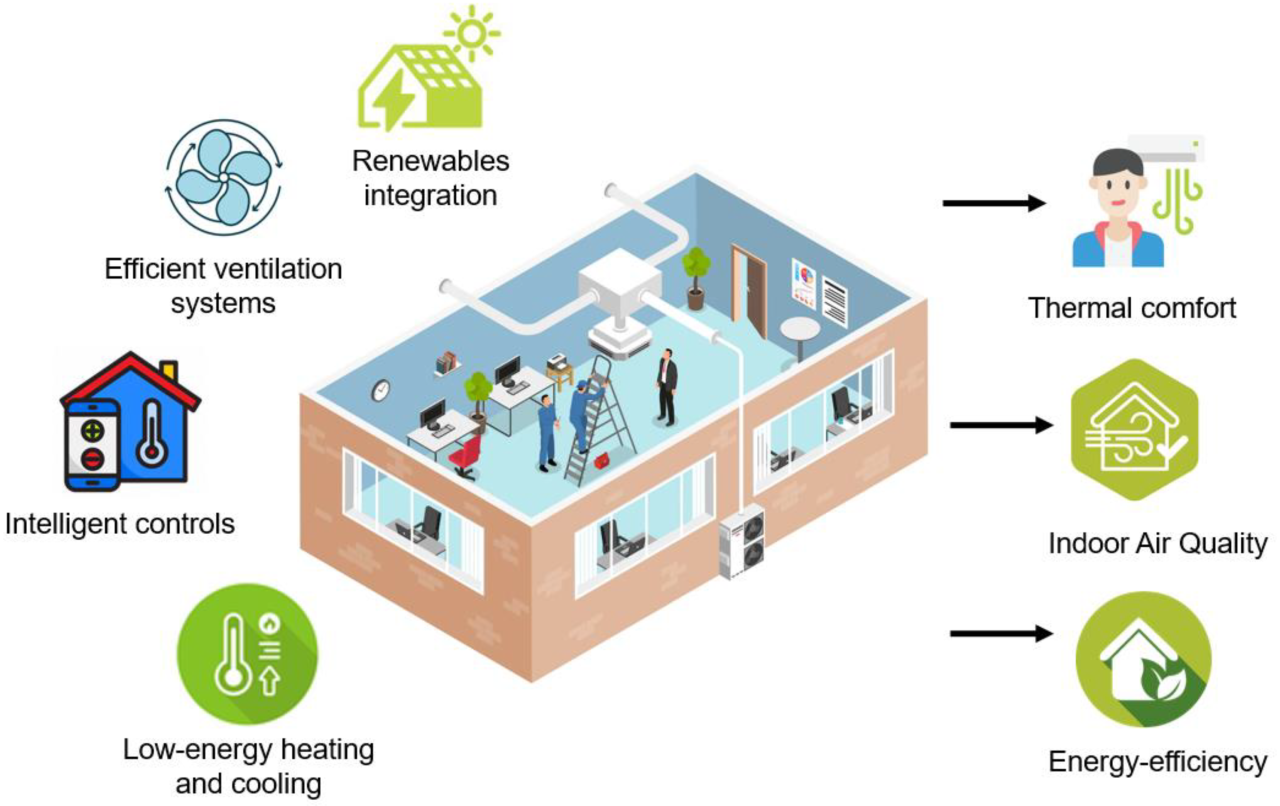
When facing heating or air conditioning emergencies, having reliable backup systems in place can make a significant difference in maintaining comfort and safety in your home. These backup systems serve as a temporary solution while waiting for professional technicians to address the main issue.
Types of Backup Systems
- Portable Electric Heaters: These are versatile and easy to move around the house to provide instant heat in case of a furnace failure.
- Space Heaters: Ideal for heating specific rooms quickly, especially during a heating system breakdown.
- Window Air Conditioning Units: These can be used to cool individual rooms if the central AC system is not functioning.
Key Features of Reliable Backup Systems
- Automatic Shutoff: Look for backup systems that have built-in safety features, such as automatic shutoff in case of overheating or tipping over.
- Energy Efficiency: Opt for backup systems that are energy-efficient to help minimize utility costs during prolonged use.
- Portability: Choose backup systems that are easy to move and position where needed, providing flexibility in heating or cooling specific areas.
- Durability: Invest in backup systems that are durable and built to last, ensuring they can withstand repeated use during emergencies.
Safety Precautions When Utilizing Backup Systems
When utilizing backup heating and air systems, it is crucial to prioritize safety to avoid any potential risks. Proper precautions must be taken to ensure the well-being of everyone in the space.Excessive reliance on backup systems can lead to various safety hazards if not managed correctly.
It is important to follow these essential safety measures to minimize risks and maintain a safe environment:
Proper Ventilation and Air Quality
- Ensure that there is proper ventilation in the area where the backup system is being used. Lack of ventilation can lead to a buildup of harmful gases and pollutants.
- Regularly check and clean air filters to maintain good air quality. Dirty filters can reduce the efficiency of the system and lead to poor indoor air quality.
- Consider using air purifiers or opening windows periodically to allow fresh air to circulate and prevent stale air from accumulating.
Potential Risks of Improper Use
- Improper installation or operation of backup heating and air systems can result in carbon monoxide poisoning, fire hazards, or electrical accidents.
- Do not overload the system or use it in ways it was not intended for, as this can lead to malfunctions and safety risks.
- Keep flammable materials away from heating sources to prevent the risk of fires.
- Regularly inspect the system for any signs of damage or malfunction and address them immediately to prevent further complications.
Troubleshooting Common Issues with Backup Systems
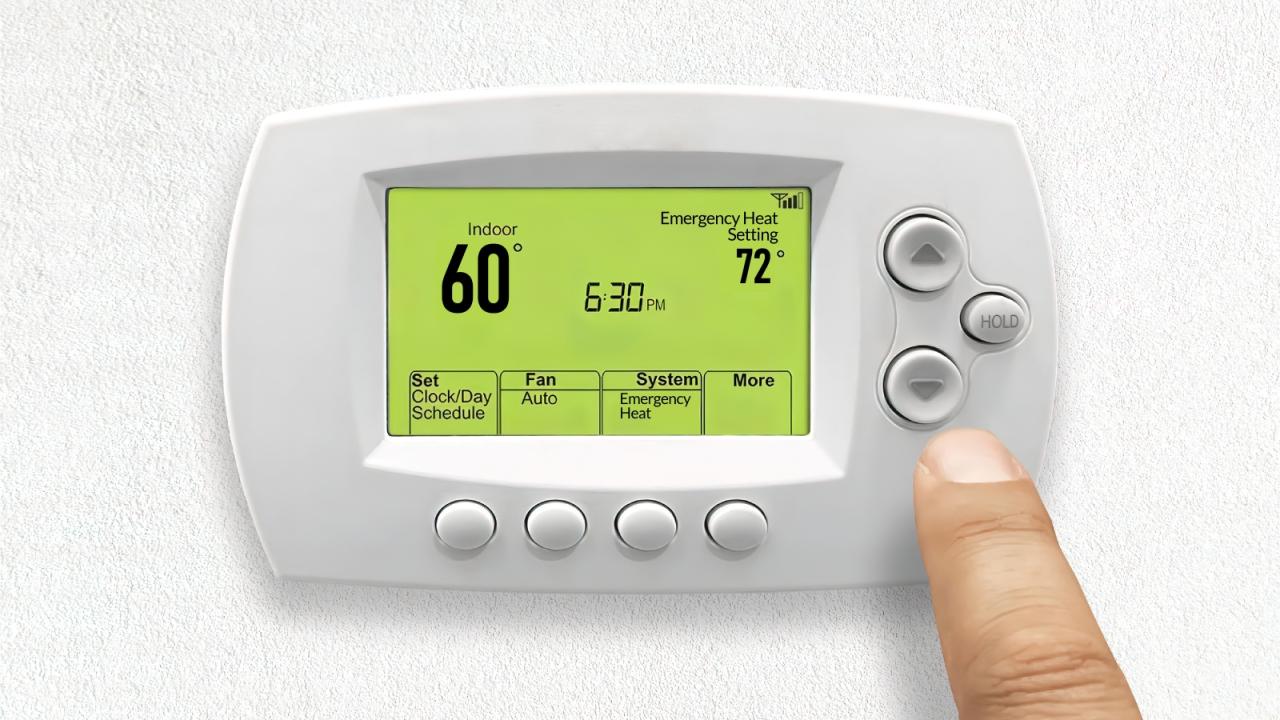
When dealing with emergency heating and air backup systems, it's crucial to know how to troubleshoot common problems that may arise. Being able to identify issues and potentially resolve them can help you stay comfortable while waiting for professional help to arrive.
Identifying Malfunctioning Backup Systems
If you notice any of the following signs, your backup system may be malfunctioning and in need of professional attention:
- Strange noises coming from the unit
- Inconsistent airflow or temperature
- Foul odors coming from the vents
- Visible leaks or pooling of water around the unit
It's important to address these issues promptly to prevent further damage to your heating and air system.
Temporary Fixes and Workarounds
While waiting for technicians to arrive, there are a few temporary fixes and workarounds you can try:
- Check the thermostat settings to ensure they are correctly adjusted
- Inspect the air filters and replace them if they are dirty or clogged
- Clear any obstructions around the unit that may be affecting airflow
- Reset the system by turning it off and then back on after a few minutes
These temporary solutions may help improve the performance of your backup system until professional help is available.
Maintaining Backup Systems for Long-Term Reliability
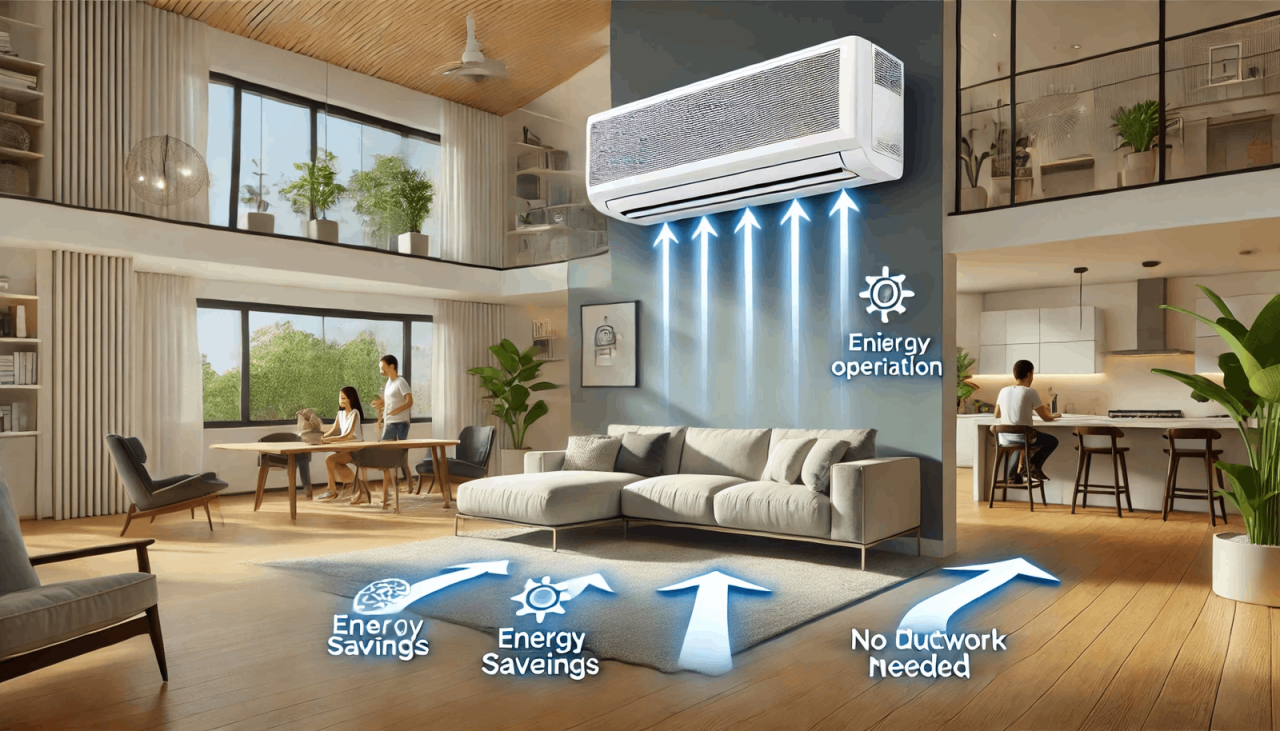
Regular maintenance is crucial for ensuring the long-term reliability of emergency heating and air backup systems. By following a structured maintenance schedule, you can prevent breakdowns during critical moments and extend the lifespan of your backup systems.
Importance of Regular Inspections and Servicing
- Regular inspections help identify potential issues before they escalate into major problems.
- Servicing your backup systems ensures that all components are functioning optimally.
- Preventive maintenance can save you from costly repairs or replacements in the future.
Best Practices for Extending Lifespan
- Keep the backup systems clean and free from debris to avoid blockages and overheating.
- Monitor the system regularly for any unusual sounds, smells, or performance issues.
- Replace filters as recommended by the manufacturer to maintain efficiency and airflow.
- Ensure proper ventilation around the backup systems to prevent overheating.
- Consult with professional technicians for annual maintenance checks and tune-ups.
FAQ Overview
What are the common types of backup systems used in heating and air conditioning emergencies?
Common types include portable electric heaters, propane heaters, and generator-powered HVAC units.
How can I ensure proper ventilation when using backup systems?
Ensure windows are cracked open, and if using a generator, place it outside to prevent carbon monoxide buildup.
What maintenance schedule should I follow for backup systems?
Regularly check filters, test the systems, and schedule professional inspections at least once a year.