Understanding Vinyl Siding Installation Cost
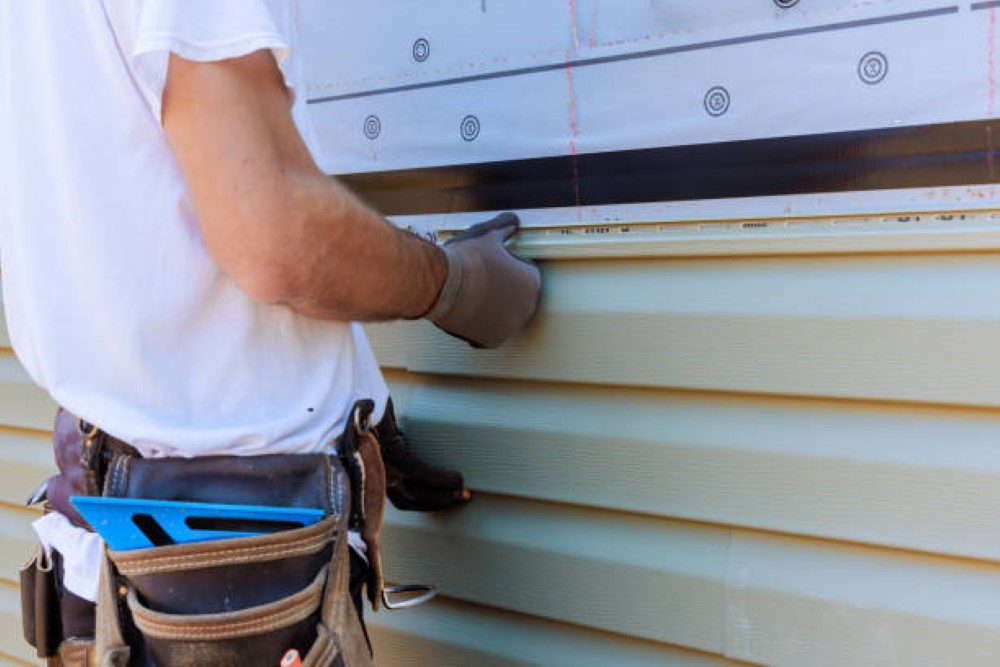
When considering vinyl siding installation, it's important to understand the factors that influence the overall cost. By breaking down the typical expenses involved and learning how to estimate the total cost accurately, you can better prepare for this home improvement project.
Factors Influencing Vinyl Siding Installation Cost
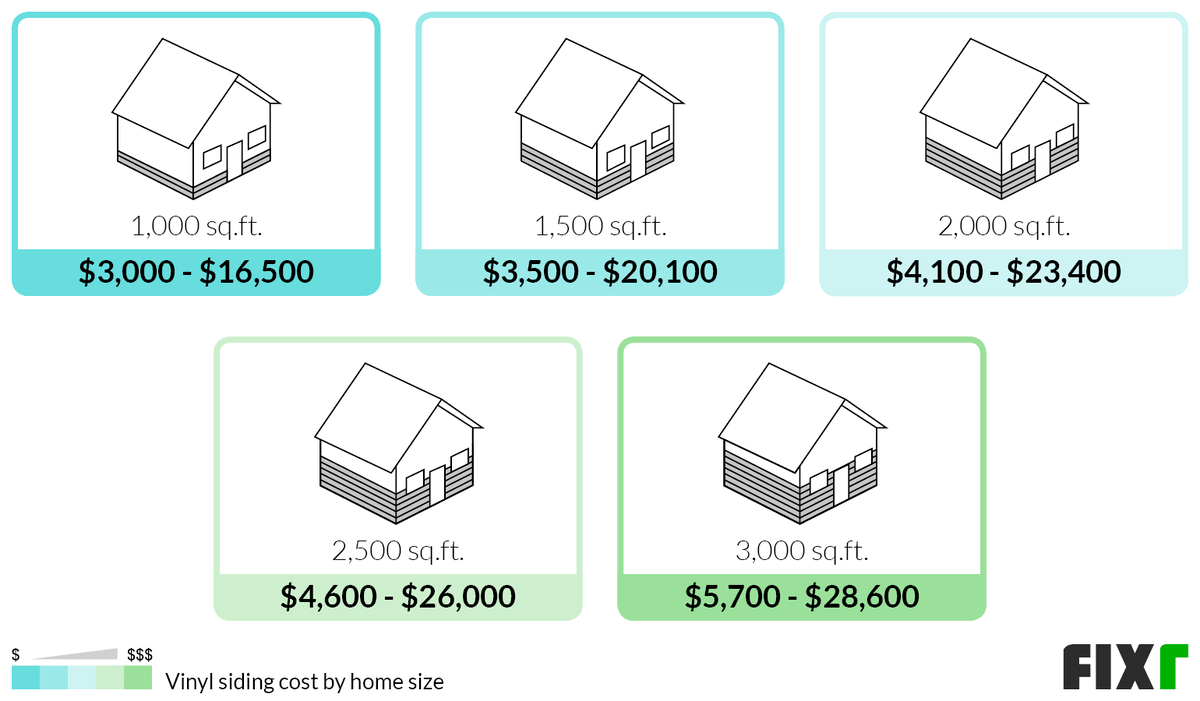
- Size of the project: The square footage of your home will directly impact the amount of materials needed, affecting the overall cost.
- Quality of materials: Higher quality vinyl siding will come at a higher price point, but may offer better durability and aesthetic appeal.
- Labor costs: Installation fees can vary based on the contractor's experience, location, and the complexity of the project.
- Additional components: Factors like insulation, trim work, and removal of old siding can add to the total cost.
Breakdown of Typical Expenses
- Materials: This includes the cost of the vinyl siding panels, trim pieces, insulation, and any additional accessories needed for installation.
- Labor: Hiring professional installers will come with a price tag, so it's important to factor this into your budget.
- Permits and fees: Depending on your location, you may need to obtain permits for the installation, which can add to the overall cost.
- Unexpected expenses: It's wise to set aside a contingency fund for any unforeseen issues that may arise during the installation process.
Tips for Estimating Total Cost
- Get multiple quotes from different contractors to compare prices and services offered.
- Consider the long-term savings of investing in high-quality materials that require less maintenance over time.
- Factor in any additional costs like disposal of old siding, repairs to the structure, or customization options.
- Plan for potential price fluctuations in materials and labor by adding a buffer to your budget.
Types of Home Loans for Financing Exterior Projects
When it comes to financing exterior projects like vinyl siding installation, there are different types of home loans available to homeowners. These loans can provide the necessary funds to cover the costs of the renovation. Let's explore some of the options below.
Home Equity Loan
A home equity loan allows homeowners to borrow money using the equity in their home as collateral. This type of loan typically has a fixed interest rate and a set repayment term. One advantage of using a home equity loan for vinyl siding installation is that the interest may be tax-deductible, making it a cost-effective financing option.
However, the disadvantage is that if you are unable to repay the loan, you risk losing your home.
FHA Title I Loan vs. Traditional Home Improvement Loan
An FHA Title I loan is a government-backed loan specifically designed for home improvement projects. These loans are available to homeowners who may not qualify for traditional home improvement loans due to credit or income limitations. On the other hand, traditional home improvement loans are offered by banks and credit unions and may have stricter eligibility requirements.
It's essential to compare the eligibility criteria, interest rates, and terms of both loan options to determine which one is the best fit for financing your vinyl siding installation.
Applying for Home Loans for Vinyl Siding Installation
When it comes to financing your vinyl siding installation through a home loan, there are several steps you need to follow to ensure a smooth application process. Home improvement loans can be a great option to fund exterior renovations, but it's important to understand the requirements and best practices for securing one.
Application Process for Obtaining a Home Loan for Exterior Renovations
- Start by researching different lenders and loan options that cater to home improvement projects.
- Gather all the necessary documents, such as proof of income, credit history, and details of the renovation project.
- Submit your loan application along with the required documents to the lender of your choice.
- Wait for the lender to review your application, conduct a credit check, and assess the feasibility of the project.
- If approved, review the terms and conditions of the loan offer carefully before signing any agreements.
- Once the loan is approved and disbursed, use the funds to finance your vinyl siding installation.
Tips on Improving Your Chances of Getting Approved for a Home Improvement Loan
- Ensure your credit score is in good standing before applying for a home loan, as a higher credit score increases your chances of approval.
- Provide accurate and detailed information about your income, assets, and the renovation project to the lender.
- Show that you have a stable source of income and are capable of repaying the loan on time.
- Consider applying with a co-borrower if your credit score or financial situation is not ideal, as it can improve your chances of approval.
- Compare loan offers from multiple lenders to find the best terms and interest rates for your home improvement project.
The Importance of Maintaining a Good Credit Score When Applying for Financing
- A good credit score is crucial when applying for a home loan, as it reflects your creditworthiness and ability to manage debt responsibly.
- Lenders use your credit score to assess the risk of lending to you and determine the interest rate and loan amount you qualify for.
- By maintaining a good credit score, you can access better loan terms, lower interest rates, and higher loan amounts for your vinyl siding installation.
- Regularly monitor your credit report, make timely payments, and keep your credit utilization low to improve and maintain a good credit score.
Budgeting and Planning for Vinyl Siding Installation
When it comes to vinyl siding installation, having a well-thought-out budget and a solid plan in place is essential to ensure a successful and stress-free renovation project.To start, it is crucial to design a budgeting template that Artikels all the potential costs associated with vinyl siding installation.
This template should include expenses such as materials, labor, permits, disposal fees, and any other miscellaneous costs that may arise during the project. By having a detailed budgeting template, you can accurately estimate the total cost of the project and avoid any unexpected financial surprises along the way.
Designing a Budgeting Template
Creating a budgeting template for vinyl siding installation involves listing all the necessary expenses and allocating specific amounts for each category. Here are some key components to include in your budgeting template:
- Cost of materials: This includes the price of the vinyl siding panels, trim pieces, fasteners, and any additional materials needed for installation.
- Labor costs: Factor in the cost of hiring professionals to install the vinyl siding, as well as any additional labor for tasks like removing old siding or preparing the exterior walls.
- Permit fees: Check with your local government to determine if a permit is required for the installation of vinyl siding, and include any associated fees in your budget.
- Contingency fund: Set aside a portion of your budget for unexpected expenses or emergencies that may arise during the project, such as repairs or unforeseen complications.
Having a contingency fund is crucial to ensure that you are prepared for any unexpected costs that may arise during the vinyl siding installation process.
By carefully planning and allocating your budget, you can effectively manage your finances and ensure that your exterior home renovation project stays on track and within your financial means.
Popular Questions
What are some factors that influence vinyl siding installation costs?
Factors include the size of the project, quality of materials, labor costs, and any additional features or customizations.
What advantages does a home equity loan offer for financing vinyl siding installation?
A home equity loan typically offers lower interest rates and allows you to borrow a larger sum of money based on the equity in your home.
How can I improve my chances of getting approved for a home improvement loan?
Improving your credit score, reducing existing debts, and providing accurate financial documentation can increase your chances of loan approval.