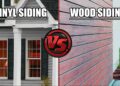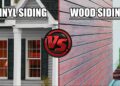
Benefits of Wood Siding vs Vinyl Siding
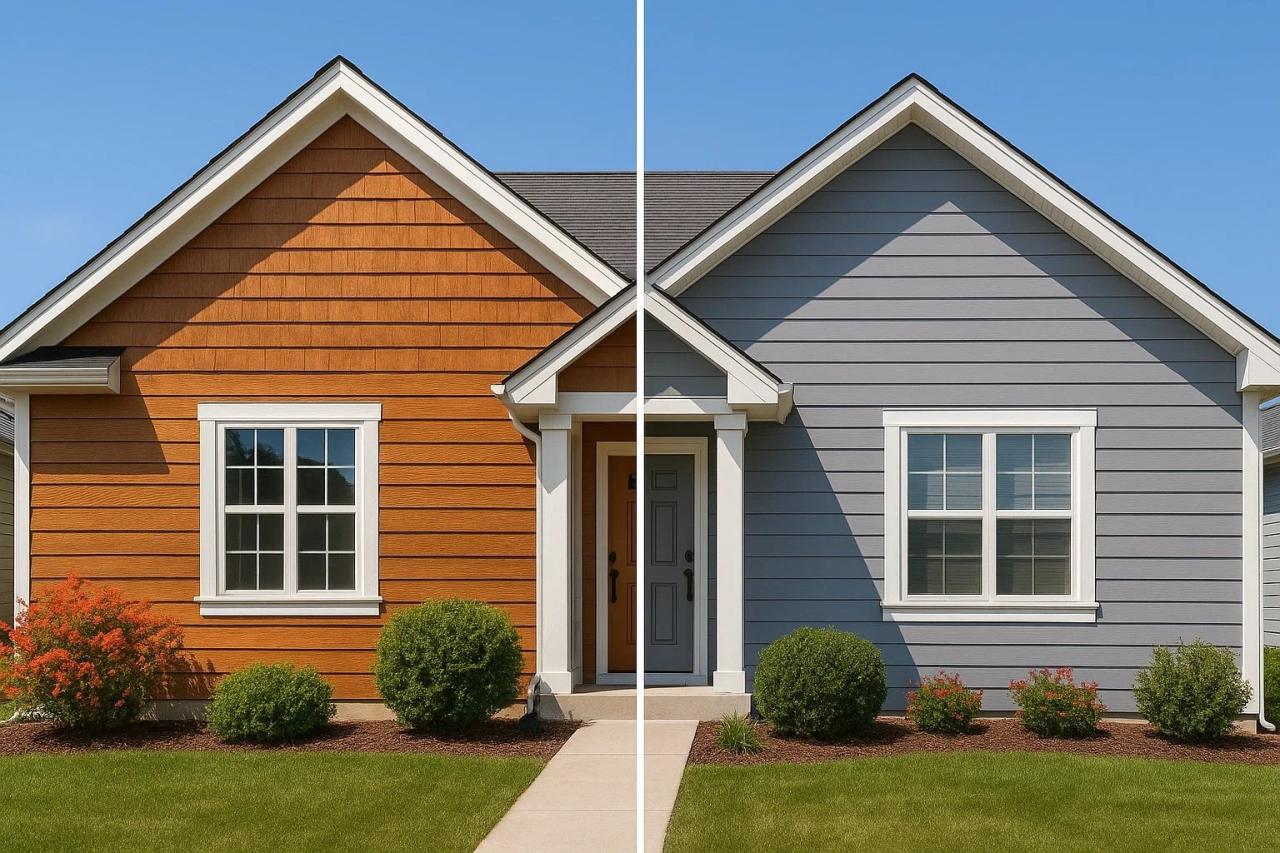
Wood siding and vinyl siding are popular options for exterior cladding, each with its own set of benefits. Let's explore the advantages of both to help you make an informed decision for your home.
Aesthetic Appeal of Wood Siding
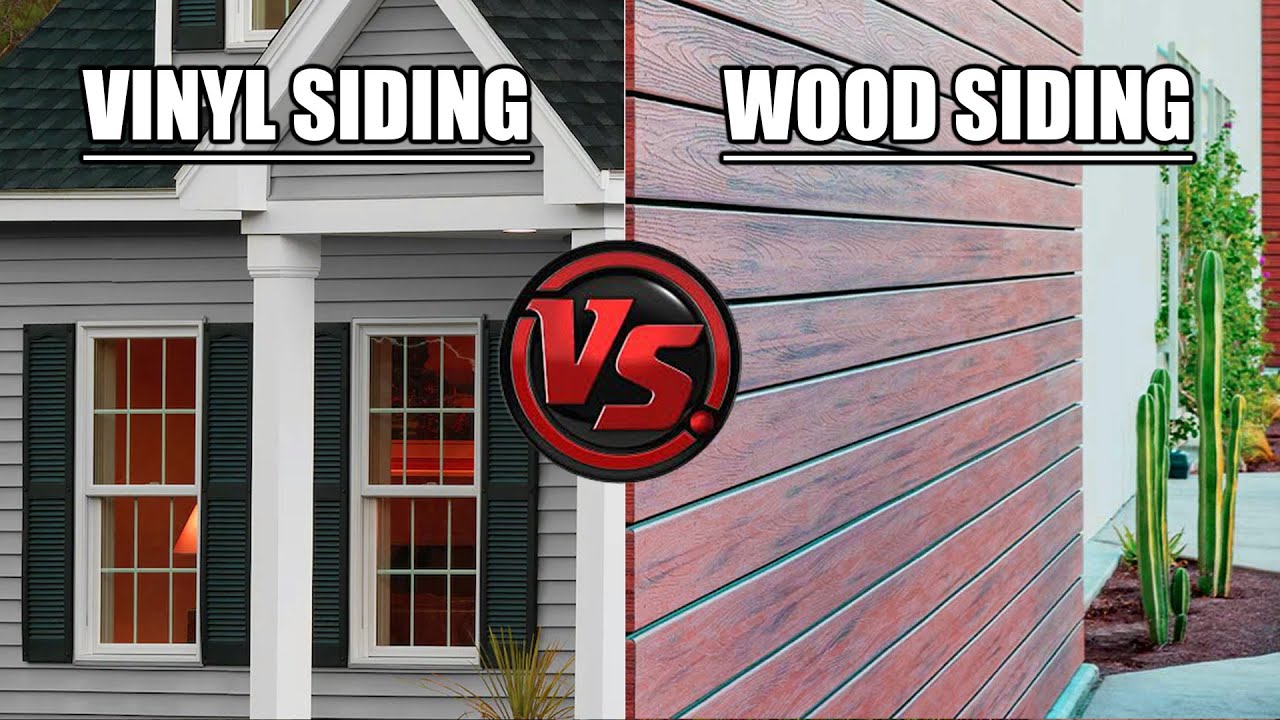
Wood siding is known for its natural beauty and timeless appeal. The rich textures and warm tones of wood can add a touch of elegance and character to any home. Whether you prefer the rustic charm of cedar or the classic look of redwood, wood siding offers a wide range of options to suit your style.
Durability of Vinyl Siding
Vinyl siding, on the other hand, is highly durable and requires minimal maintenance. It is resistant to rot, decay, and pests, making it a long-lasting choice for homeowners. Vinyl siding can withstand harsh weather conditions, including extreme heat, cold, and moisture, without fading or warping over time.
Maintenance Requirements
When it comes to maintenance, wood siding requires more upkeep compared to vinyl siding. Wood siding needs to be regularly stained, painted, or sealed to protect it from moisture and UV damage. On the other hand, vinyl siding is virtually maintenance-free, requiring only occasional cleaning with soap and water to keep it looking fresh and vibrant.Overall, the choice between wood siding and vinyl siding will depend on your priorities in terms of aesthetics, durability, and maintenance.
Consider these factors carefully to select the siding option that best suits your needs and preferences for your luxury exterior.
Design Considerations
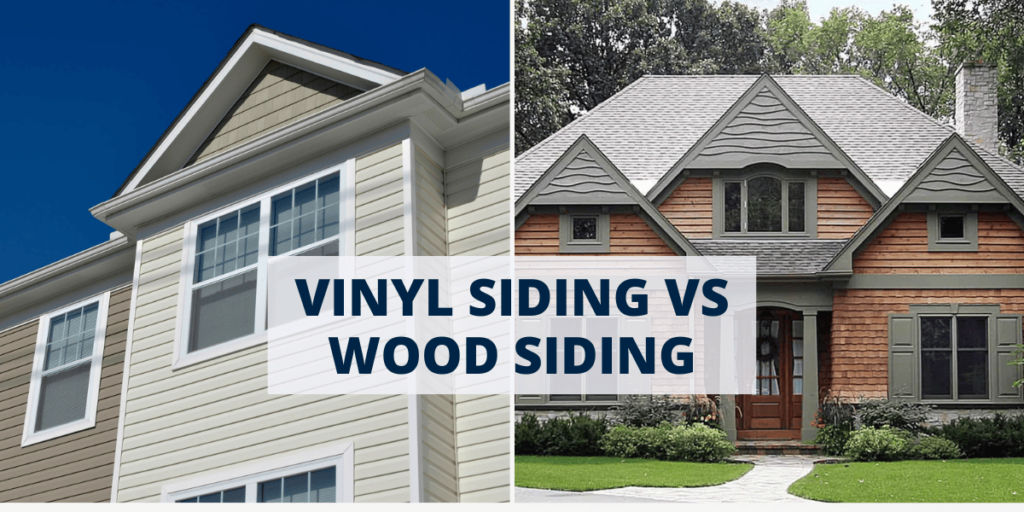
Wood siding is a popular choice for luxury exteriors due to its ability to add warmth and natural texture to a home. The rich tones and grain patterns of wood can create a welcoming and sophisticated look that enhances the overall curb appeal.Vinyl siding, on the other hand, offers a more modern aesthetic by mimicking the look of wood without the maintenance requirements.
It can be manufactured in a variety of colors and finishes, allowing homeowners to achieve a sleek and contemporary appearance for their exteriors.
Wood Siding Versatility
Wood siding is highly versatile and can complement a wide range of architectural styles, from traditional to modern. Its natural beauty can be tailored to fit the design aesthetic of any home, whether it's a rustic cabin in the woods or a sleek urban residence.
Additionally, wood siding can be easily painted or stained to match changing preferences or trends, providing homeowners with flexibility in design choices.
Vinyl Siding Adaptability
Vinyl siding is known for its adaptability to different architectural styles, offering a clean and uniform appearance that suits contemporary homes. While it may not have the same natural charm as wood, vinyl siding provides a low-maintenance option that can withstand various weather conditions and retain its color over time.
With advancements in technology, vinyl siding can now replicate the texture and grain of wood, giving homeowners the best of both worlds in terms of aesthetics and durability.
Environmental Impact
Wood siding and vinyl siding have different environmental impacts, with varying levels of sustainability and eco-friendliness.
Sustainability of Wood Siding Options
Wood siding is considered a more sustainable option compared to vinyl siding. Wood is a renewable resource, which means it can be replanted and grown to replace what is harvested. This helps in reducing the overall environmental impact of using wood siding.
Additionally, wood siding can be biodegradable, further reducing its impact on the environment.
Eco-Friendly Aspects of Vinyl Siding
Vinyl siding, on the other hand, is not as environmentally friendly as wood siding. The production of vinyl involves the use of chemicals and fossil fuels, which can contribute to pollution and greenhouse gas emissions. However, vinyl siding is durable and long-lasting, which can reduce the need for frequent replacements, ultimately reducing waste.
Long-Term Environmental Implications
When choosing between wood and vinyl siding, it is essential to consider the long-term environmental implications. While wood siding is more sustainable and biodegradable, it may require more maintenance and refinishing over time. On the other hand, vinyl siding may have a higher initial environmental impact due to its production process, but its durability can lead to fewer replacements and less waste in the long run.
Ultimately, the choice between wood and vinyl siding should be made based on a combination of sustainability, durability, and long-term environmental considerations.
Cost Analysis
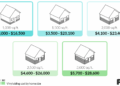
Wood siding and vinyl siding each have their own cost considerations to take into account when deciding which option is best for your exterior design project. Let's delve into the initial costs, long-term cost-effectiveness, and overall value proposition of wood siding versus vinyl siding.
Initial Costs of Wood Siding Installation
When it comes to initial costs, wood siding tends to be more expensive than vinyl siding. The price of wood siding can vary depending on the type of wood used, but generally, it is higher due to the material cost and installation complexity.
Additionally, wood siding may require more maintenance over time, which can add to the overall cost.
Long-Term Cost-Effectiveness of Vinyl Siding
On the other hand, vinyl siding is known for its cost-effectiveness in the long run. While the initial investment may be lower compared to wood siding, vinyl siding requires minimal maintenance and is more durable in various weather conditions. This can result in lower maintenance and repair costs over the lifespan of the siding.
Overall Value Proposition of Wood Siding versus Vinyl Siding
In terms of the overall value proposition, wood siding offers a timeless and luxurious aesthetic appeal that can increase the curb appeal and resale value of a property. However, the higher initial cost and maintenance requirements may offset some of these benefits.
On the other hand, vinyl siding provides a cost-effective and low-maintenance option that can still enhance the look of a property while offering long-term savings.
Commonly Asked Questions
What are the main advantages of wood siding over vinyl siding?
Wood siding offers a unique aesthetic appeal with its natural look and texture that adds warmth to luxury exteriors.
Is vinyl siding more cost-effective in the long run compared to wood siding?
Vinyl siding typically requires less maintenance over time, making it a more cost-effective option in the long term.
How do wood siding and vinyl siding differ in terms of environmental impact?
Wood siding is often considered more sustainable, while vinyl siding has eco-friendly aspects. The choice between the two can have long-term environmental implications.