Vinyl Windows
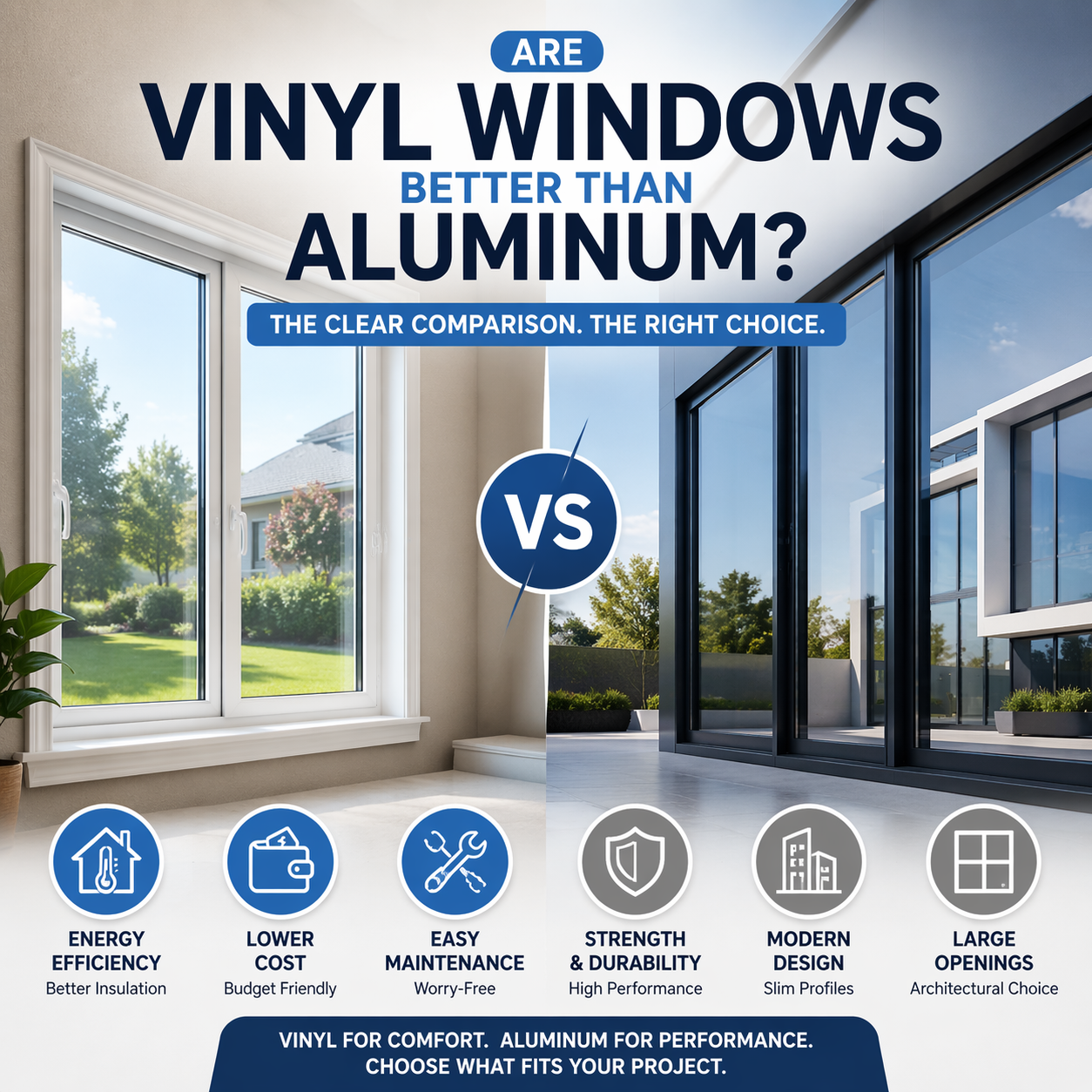
Vinyl windows are made from PVC (polyvinyl chloride) and are known for their affordability, low maintenance, and versatility in design options. They are popular for their ability to mimic the look of wood without the associated maintenance requirements.
Durability of Vinyl Windows
Vinyl windows are highly durable and resistant to rotting, peeling, and warping, making them a long-lasting option for modern office buildings. They do not require painting and can withstand harsh weather conditions without deteriorating.
Energy Efficiency of Vinyl Windows
Vinyl windows provide excellent insulation, helping to reduce heating and cooling costs for modern office buildings. They are available with double or triple panes, low-E coatings, and argon gas fills to enhance energy efficiency. Their tight seals prevent drafts, making them a sustainable choice for maintaining a comfortable indoor environment.
Aluminum Windows
Aluminum windows are known for their sleek and modern appearance, making them a popular choice for contemporary office building exteriors.
Features of Aluminum Windows
- Lightweight yet durable construction
- Excellent strength-to-weight ratio
- Resistant to corrosion, rust, and weather damage
- Sleek and narrow sightlines for a modern aesthetic
- Available in a variety of finishes for customization
Maintenance Requirements of Aluminum Windows
Compared to vinyl windows, aluminum windows require more maintenance to keep them looking their best over time.
- Regular cleaning to prevent dirt and grime buildup
- Ongoing inspection for any signs of damage or wear
- Periodic repainting or refinishing to maintain appearance
Design Flexibility of Aluminum Windows
Aluminum windows offer great design flexibility for modern office building exteriors, allowing for a sleek and contemporary look.
- Ability to create large, expansive window walls for maximum natural light
- Customizable shapes and sizes to fit unique architectural designs
- Compatibility with a variety of glass types for energy efficiency and sound insulation
Cost Considerations
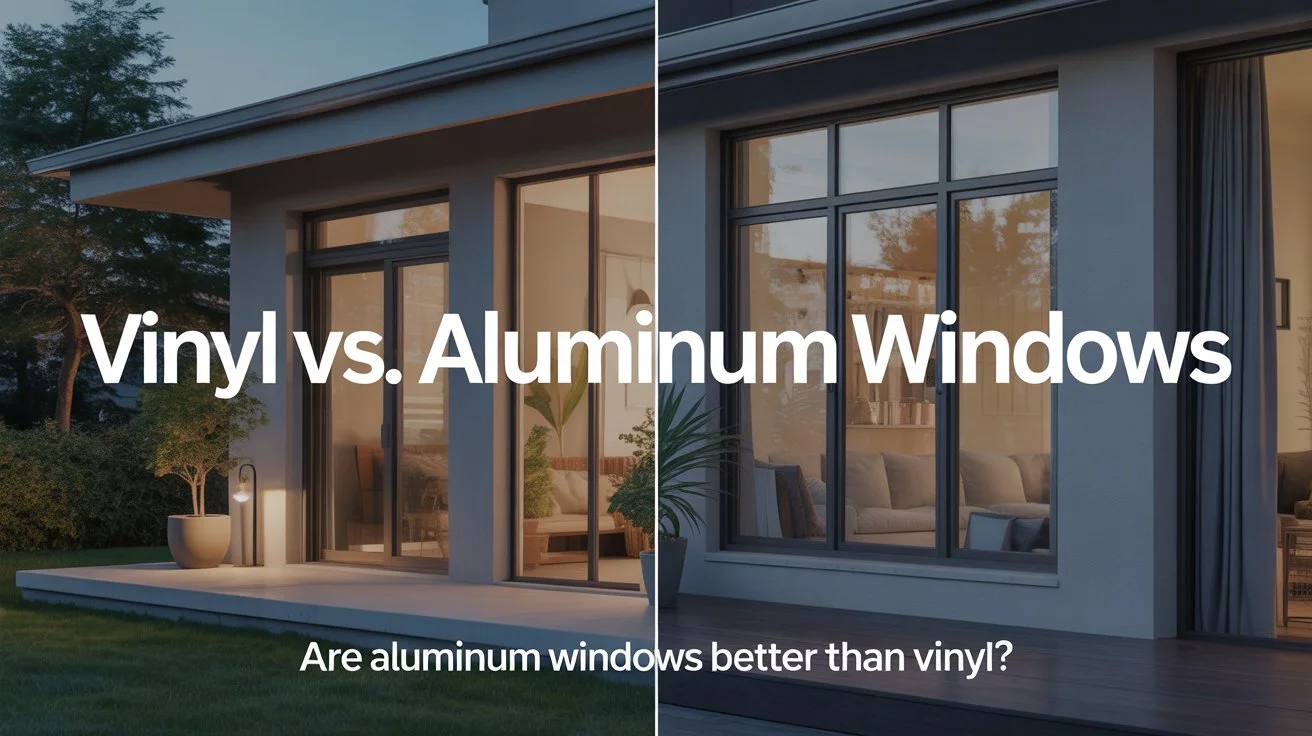
When it comes to choosing between vinyl and aluminum windows for modern office buildings, cost considerations play a significant role in decision-making. Let's explore the initial cost differences, long-term implications, and return on investment for both types of windows.
Initial Cost Differences
- Vinyl windows are generally more cost-effective than aluminum windows in terms of upfront expenses. The materials used in vinyl windows are typically cheaper, making them a budget-friendly option for office building projects.
- On the other hand, aluminum windows are known to be more expensive initially due to the higher cost of materials and manufacturing processes involved. However, it is essential to consider the overall quality and durability of aluminum windows when evaluating the initial cost.
Long-Term Cost Implications
- Vinyl windows are low maintenance and do not require painting or sealing, reducing long-term maintenance costs significantly. They are also more energy-efficient, resulting in potential savings on heating and cooling expenses over time.
- Aluminum windows may require more maintenance and upkeep over the years, including painting and sealing to prevent corrosion. While they are durable and resistant to weather elements, the long-term cost of maintenance should be factored into the decision-making process.
Return on Investment
- When it comes to return on investment, vinyl windows may offer a higher ROI due to their cost-effectiveness, energy efficiency, and minimal maintenance requirements. The initial savings and long-term benefits of vinyl windows can result in a favorable ROI for modern office buildings.
- While aluminum windows may have a higher upfront cost and maintenance requirements, their durability and sleek appearance can contribute to the overall value of the office building. It is essential to weigh the initial investment against the long-term benefits to determine the ROI of aluminum windows.
Environmental Impact

When it comes to the environmental impact of windows in office building construction, it is essential to consider factors such as recyclability, eco-friendliness, and overall carbon footprint.
Recyclability of Vinyl Windows
Vinyl windows are known for their limited recyclability compared to other materials. While some components of vinyl windows can be recycled, the process is often complex and not as efficient as with other materials.
Eco-friendliness of Aluminum Windows
Aluminum windows, on the other hand, have a higher level of recyclability. Aluminum is a highly recyclable material, and the recycling process consumes significantly less energy compared to producing new aluminum.
Carbon Footprint Comparison
Overall, the use of vinyl windows tends to have a higher carbon footprint compared to aluminum windows. This is mainly due to the energy-intensive manufacturing process of vinyl and the limited recyclability of the material.
Top FAQs
Are vinyl windows more energy-efficient than aluminum windows?
Yes, vinyl windows are generally more energy-efficient due to their better insulation properties compared to aluminum windows.
Which type of window has a lower long-term cost, vinyl or aluminum?
Vinyl windows tend to have a lower long-term cost as they require less maintenance and have better energy efficiency, leading to potential savings in the long run.
Do aluminum windows have a higher environmental impact compared to vinyl windows?
Aluminum windows have a higher environmental impact due to their production process and lower recyclability compared to vinyl windows.