Importance of High-Efficiency Media Filters
High-efficiency media filters play a crucial role in maintaining a healthy and efficient home furnace system. These filters are designed to trap smaller particles compared to standard filters, providing several benefits for indoor air quality and energy efficiency.
Contribution to Indoor Air Quality
High-efficiency media filters are capable of capturing a wide range of particles, including dust, pollen, pet dander, and even bacteria and viruses. By removing these contaminants from the air, these filters help improve indoor air quality, making the air safer and healthier to breathe for you and your family.
Enhancement of Energy Efficiency
By trapping smaller particles, high-efficiency media filters prevent dust and debris from accumulating in the furnace system. This not only helps maintain the efficiency of the system but also reduces the strain on the equipment, leading to lower energy consumption and potentially extending the lifespan of the furnace.
Benefits Over Standard Filters
Compared to standard filters, high-efficiency media filters offer superior filtration capabilities, capturing more particles and providing better air quality. Additionally, these filters typically need to be replaced less frequently than standard filters, making them a cost-effective and convenient option for homeowners looking to maintain a clean and efficient home environment.
Lifespan of High-Efficiency Media Filters
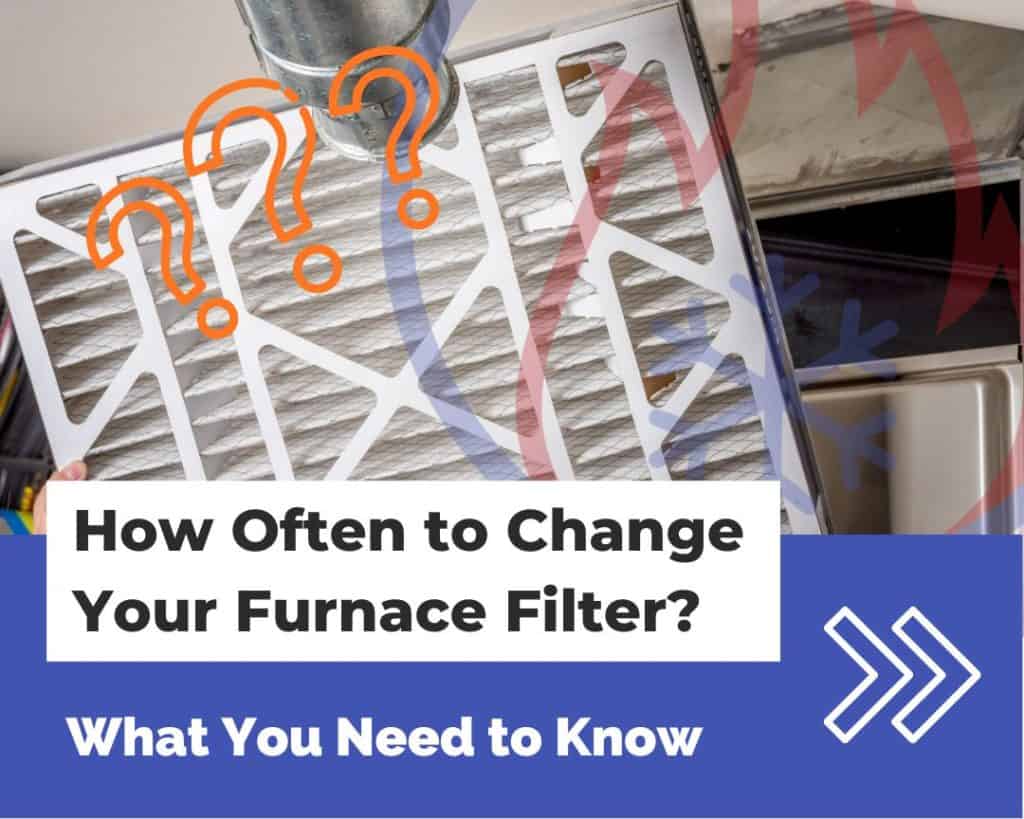
When it comes to high-efficiency media filters, understanding their lifespan is crucial for maintaining indoor air quality and the efficiency of your home furnace. Let's delve into the typical lifespan of these filters, factors that can affect their longevity, and tips on maximizing their performance.
Typical Lifespan
High-efficiency media filters generally have a lifespan of 6 to 12 months, depending on usage and indoor air quality. Regularly checking and replacing these filters is essential to ensure optimal performance and energy efficiency of your furnace.
Factors Affecting Lifespan
Indoor air quality
Dust, pet dander, and other pollutants can clog the filter faster, reducing its lifespan.
Usage
The frequency at which your furnace operates can impact how often the filter needs to be replaced.
Filter quality
Higher quality filters may last longer and provide better filtration.
Tips for Maximizing Longevity
Regular maintenance
Check the filter monthly and replace it when it appears dirty or clogged.
Follow manufacturer's recommendations
Adhere to the guidelines provided by the filter manufacturer for optimal performance.
Consider upgrading
Investing in a higher quality filter can improve filtration and extend its lifespan.By understanding the lifespan of high-efficiency media filters and taking proactive steps to maintain them, you can ensure your home's air quality remains clean and your furnace operates efficiently.
Frequency of Replacement
When it comes to high-efficiency media filters in a home furnace system, it is crucial to understand how often they should be replaced to ensure optimal performance and indoor air quality.
Comparison with Standard Filters
High-efficiency media filters typically need to be replaced every 6-12 months, depending on factors such as the manufacturer's recommendations, household size, and air quality. In contrast, standard filters usually require replacement every 1-3 months.
Regularly replacing high-efficiency media filters is essential to maintain clean indoor air and prevent dust, pollen, and other particles from circulating in your home.
Consequences of Not Replacing Regularly
If high-efficiency media filters are not replaced as recommended, they can become clogged with dirt and debris, reducing their effectiveness. This can lead to poor indoor air quality, increased energy consumption, and potential damage to the furnace system.
Signs of Replacement
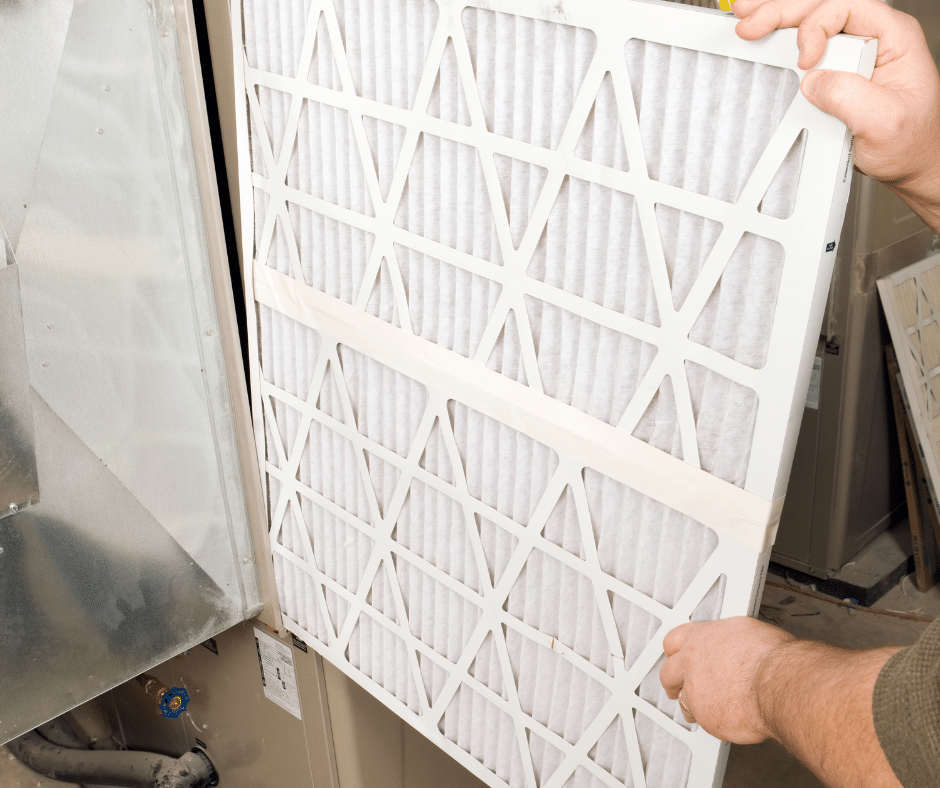
When it comes to high-efficiency media filters, it's crucial to know when it's time for a replacement to ensure your furnace functions optimally. Here are some common signs that indicate a high-efficiency media filter needs replacing.
Visual Inspection for Wear and Tear
To visually inspect a filter for wear and tear, start by removing the filter from the furnace. Hold it up to a light source and check for any visible dirt, debris, or clogs. If the filter appears gray or clogged, it's a clear indication that it needs to be replaced.
Additionally, look for tears or holes in the filter material, which can impact its effectiveness.
Impact of a Dirty Filter on Furnace Performance
Reduced Airflow
A dirty filter can restrict airflow, causing your furnace to work harder to heat your home. This can lead to increased energy consumption and higher utility bills.
Poor Indoor Air Quality
As the filter becomes clogged with dirt and debris, it can no longer effectively capture allergens and pollutants, leading to poor indoor air quality.
Overheating
A dirty filter can cause the furnace to overheat as it struggles to circulate air properly. This can result in system malfunctions and potential safety hazards.
Question & Answer Hub
How do high-efficiency media filters contribute to indoor air quality and energy efficiency?
High-efficiency media filters trap smaller particles and contaminants, resulting in cleaner air and improved energy efficiency by allowing the system to operate smoothly.
What are the consequences of not replacing high-efficiency media filters regularly?
Neglecting to replace these filters can lead to decreased indoor air quality, reduced energy efficiency, and potential damage to the furnace system due to clogging.
How can homeowners maximize the longevity of high-efficiency media filters?
Regularly checking and replacing filters according to manufacturer recommendations, keeping the furnace system well-maintained, and ensuring proper airflow can extend the lifespan of high-efficiency media filters.