Factors Impacting HVAC Service Teams During Grid Outages
During regional grid outages, HVAC service teams face numerous challenges that can impact their ability to conduct repairs in a timely manner. Power outages can have a significant effect on HVAC systems, making it crucial for repairs to be fast-tracked to restore functionality.
Delayed HVAC repairs during grid outages can pose risks to both the comfort of building occupants and the overall efficiency of the system.
Effect on HVAC Systems
Power outages can cause HVAC systems to malfunction or completely shut down, leading to uncomfortable indoor temperatures and poor air quality. Without electricity to power the system, heating or cooling functions may not work properly, affecting the overall comfort of the building.
This highlights the urgent need for HVAC repairs to be prioritized during grid outages to ensure that systems are back up and running as quickly as possible.
Risks of Delayed Repairs
Delayed HVAC repairs during grid outages can result in a range of risks, including increased energy consumption, equipment damage, and potential safety hazards. When HVAC systems are not functioning properly, they may draw more power than necessary to try to compensate for the lack of efficiency, leading to higher energy bills.
Additionally, prolonged downtime can cause wear and tear on the system, potentially resulting in costly repairs or replacements. Moreover, compromised HVAC systems can impact indoor air quality, posing health risks to building occupants.
Strategies for Rapid Response by Emergency HVAC Service Teams
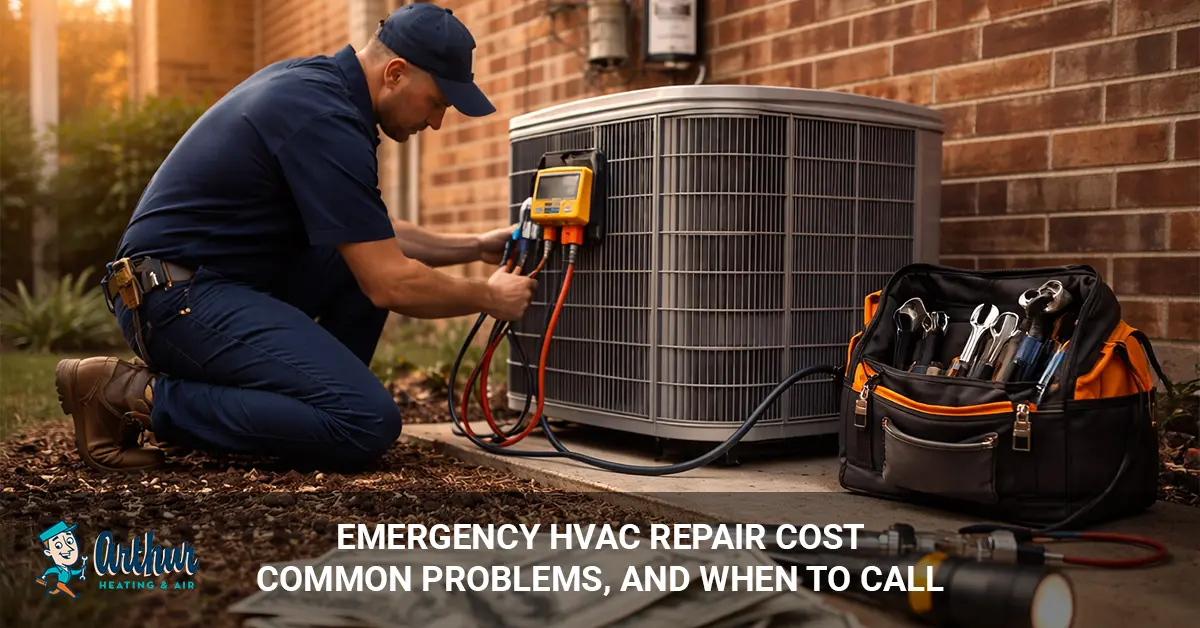
Emergency HVAC service teams follow specific protocols and utilize various tools and resources to expedite repair processes during grid outages. Prioritizing repair tasks is crucial to quickly restoring functionality.
Protocols Followed by Emergency HVAC Service Teams
- Quick assessment of the situation to identify the root cause of the HVAC system failure.
- Effective communication with the team members and the client to coordinate the repair process.
- Utilization of specialized training to handle emergency situations and make rapid decisions.
Tools and Resources Utilized to Expedite Repair Processes
- Portable generators to provide power to the HVAC system in case of a grid outage.
- Diagnostics tools to quickly identify issues and troubleshoot problems.
- Mobile communication devices for real-time updates and coordination among team members.
Prioritization of Repair Tasks
- Focus on critical components that are essential for the HVAC system to function properly.
- Address immediate safety concerns to prevent further damage or risks to the property and occupants.
- Create a timeline for repairs based on the severity of the issues and the availability of resources.
Coordination with Power Companies and Authorities
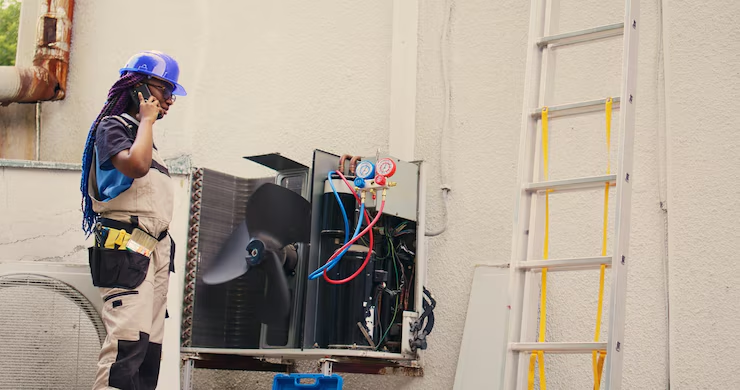
In times of grid outages, the collaboration between HVAC service teams and power companies plays a crucial role in ensuring a swift response and repair process. Authorities also play a significant role in facilitating faster services for HVAC systems by coordinating efforts between all parties involved.
Collaboration with Power Companies
- Power companies provide crucial information regarding the status of the grid and the estimated time for restoration, allowing HVAC service teams to prioritize repairs accordingly.
- Collaboration ensures that HVAC technicians have access to the necessary resources and support to carry out repairs effectively, minimizing downtime for customers.
- Power companies may also assist HVAC service teams in accessing restricted areas or providing alternative power sources for testing HVAC systems.
Role of Authorities
- Authorities work to streamline communication between HVAC service teams and power companies, ensuring that all parties are informed and working towards a common goal of restoring power and HVAC services.
- Authorities may expedite permits or approvals required for emergency repairs, allowing HVAC technicians to work swiftly and efficiently without bureaucratic delays.
- In some cases, authorities may allocate additional resources or personnel to support HVAC service teams during widespread grid outages, enhancing the overall response and repair process.
Enhancing Efficiency through Coordination
- Efficient coordination between HVAC service teams, power companies, and authorities ensures a seamless workflow, enabling quick identification of HVAC issues and prompt solutions.
- By working together, these parties can prioritize critical repairs, allocate resources effectively, and communicate updates to customers in a timely manner, enhancing overall satisfaction and service delivery.
- Coordination efforts also help in optimizing the use of available resources and expertise, leading to a more efficient and effective response to HVAC repair needs during regional grid outages.
Ensuring Safety and Compliance Standards
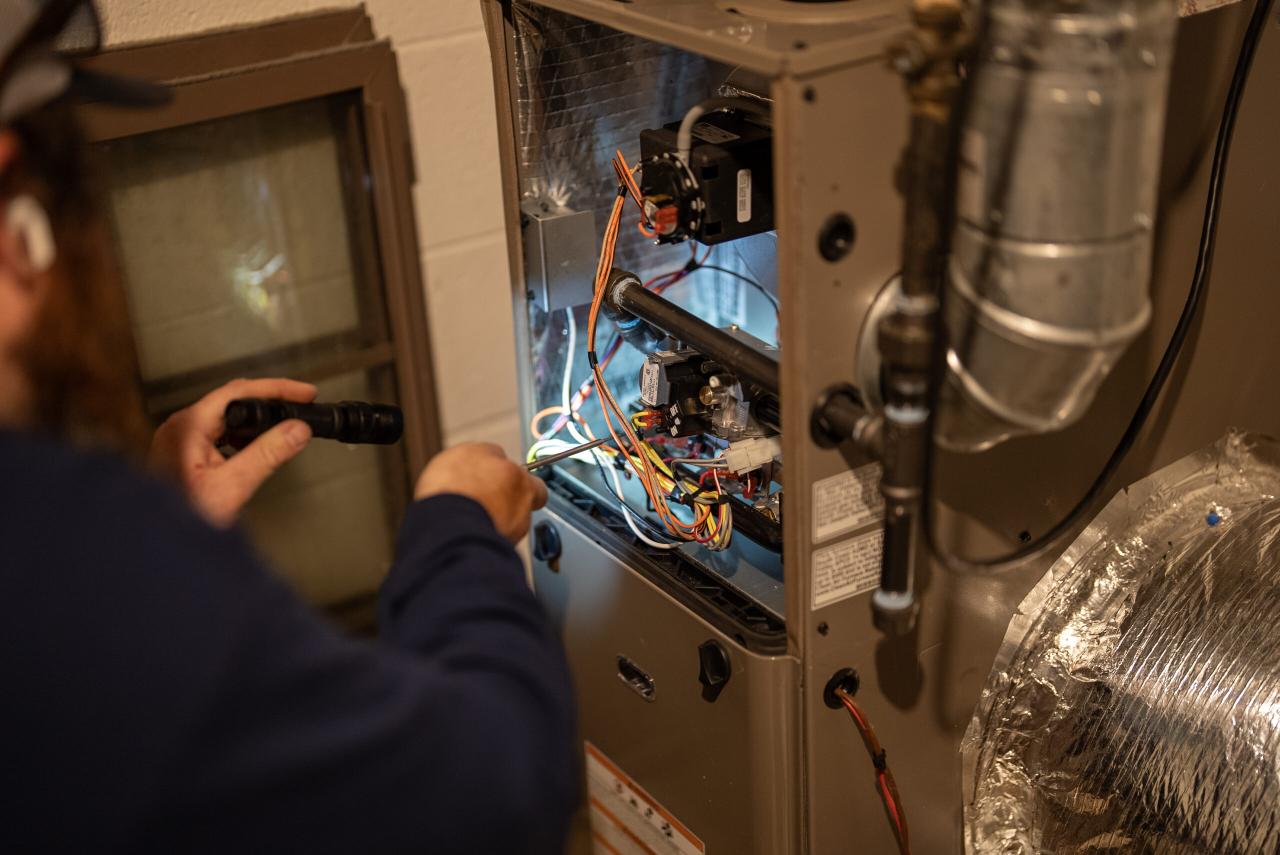
When it comes to working during grid outages, safety and compliance standards are paramount for HVAC service teams. These teams must adhere to strict regulations and industry standards to ensure the safety of both their workers and the clients they serve.
Safety Measures Implemented by HVAC Service Teams
- Emergency repair teams conduct thorough safety assessments before starting any repair work.
- Proper protective gear, such as gloves, goggles, and helmets, is worn at all times to prevent injuries.
- Teams are trained to handle hazardous materials and situations to minimize risks.
- Regular safety briefings and updates are provided to ensure everyone is aware of potential dangers.
Compliance with Regulations and Industry Standards
- HVAC service teams must follow local, state, and federal regulations related to electrical work and safety protocols.
- Industry standards set by organizations like OSHA ensure that proper procedures are followed to prevent accidents.
- Regular audits and inspections help ensure that the teams are complying with all necessary guidelines.
Training and Certifications for Emergency Repair Teams
- Technicians are required to undergo specific training programs to handle emergency repairs during grid outages.
- Certifications from organizations like NATE or EPA are often necessary to validate the expertise of the technicians.
- Ongoing training and skill development are essential to keep up with the latest safety protocols and technologies.
Question & Answer Hub
How do HVAC service teams prioritize repair tasks during grid outages?
They prioritize tasks based on criticality, focusing on restoring functionality to essential systems first.
What safety measures are crucial for HVAC service teams during emergency repairs?
Key safety measures include proper equipment use, electrical safety protocols, and adherence to industry standards.
How do power companies support emergency HVAC service teams during grid outages?
Power companies provide updates on grid status, assist with power restoration, and coordinate efforts for efficient repairs.