Exploring the world of AC capacitor replacement cost, we dive into the various factors that can influence the overall expense. From brand to installation complexity, discover how these elements play a role in determining the cost.
Delving deeper, we uncover the typical cost range for AC capacitor replacement, shedding light on labor costs and the comparison between replacing single versus multiple capacitors in an HVAC system.
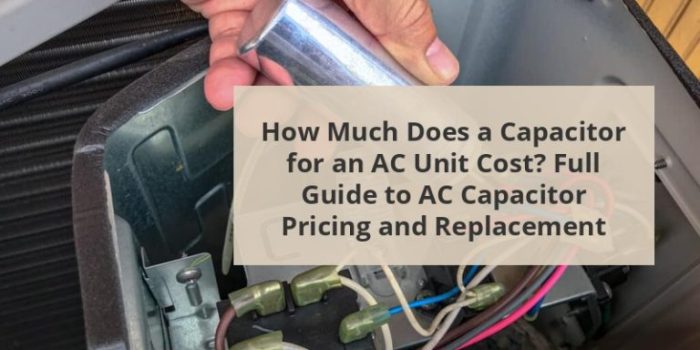
When it comes to replacing an AC capacitor, several factors can influence the overall cost of the replacement. These factors include the brand, size, and type of capacitor being used, the complexity of the installation process, and the age and condition of the HVAC system.
The brand, size, and type of capacitor you choose for your AC unit can have a significant impact on the replacement cost. Higher-end brands or larger capacitors may come with a higher price tag compared to generic or smaller capacitors.
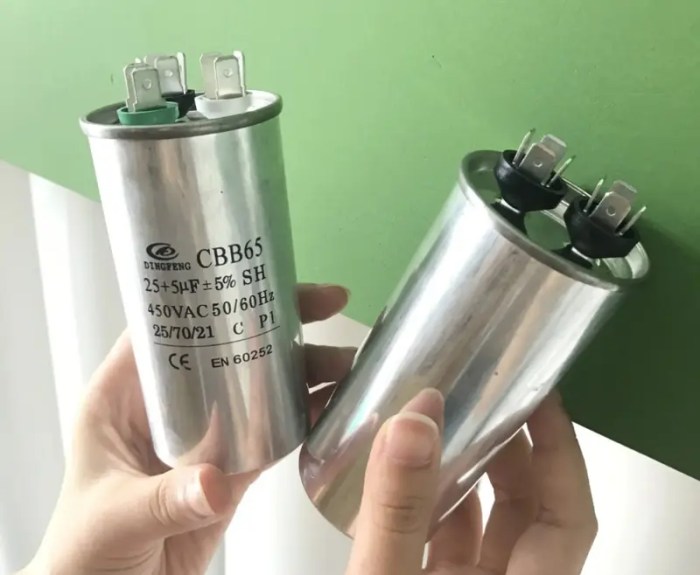
Additionally, special types of capacitors, such as dual run capacitors or start capacitors, may also cost more than standard run capacitors.
The complexity of the installation process can also affect the cost of replacing an AC capacitor. If the capacitor is located in a hard-to-reach area or requires additional labor to install, the overall cost of replacement may increase. Factors such as accessibility, wiring complications, and the need for specialized tools or equipment can all contribute to a higher replacement cost.
The age and condition of your HVAC system can play a role in determining the cost of capacitor replacement. Older systems may require specific capacitors that are no longer readily available, leading to higher costs for sourcing the necessary parts.
Additionally, if your HVAC system is in poor condition or has other underlying issues, the replacement cost may be higher due to the need for additional repairs or maintenance to ensure proper functioning.
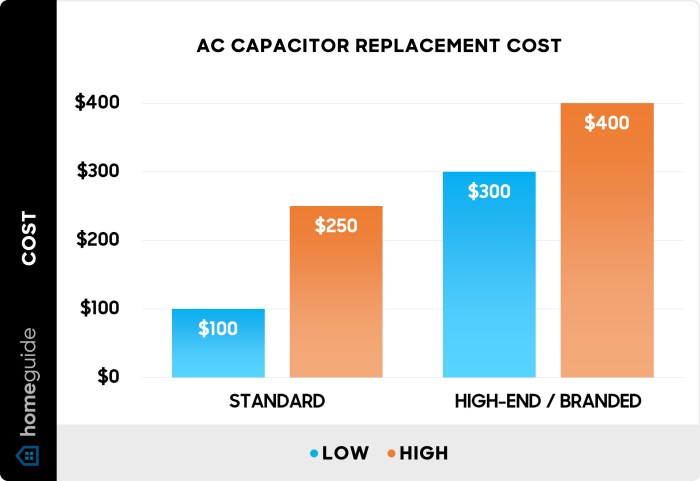
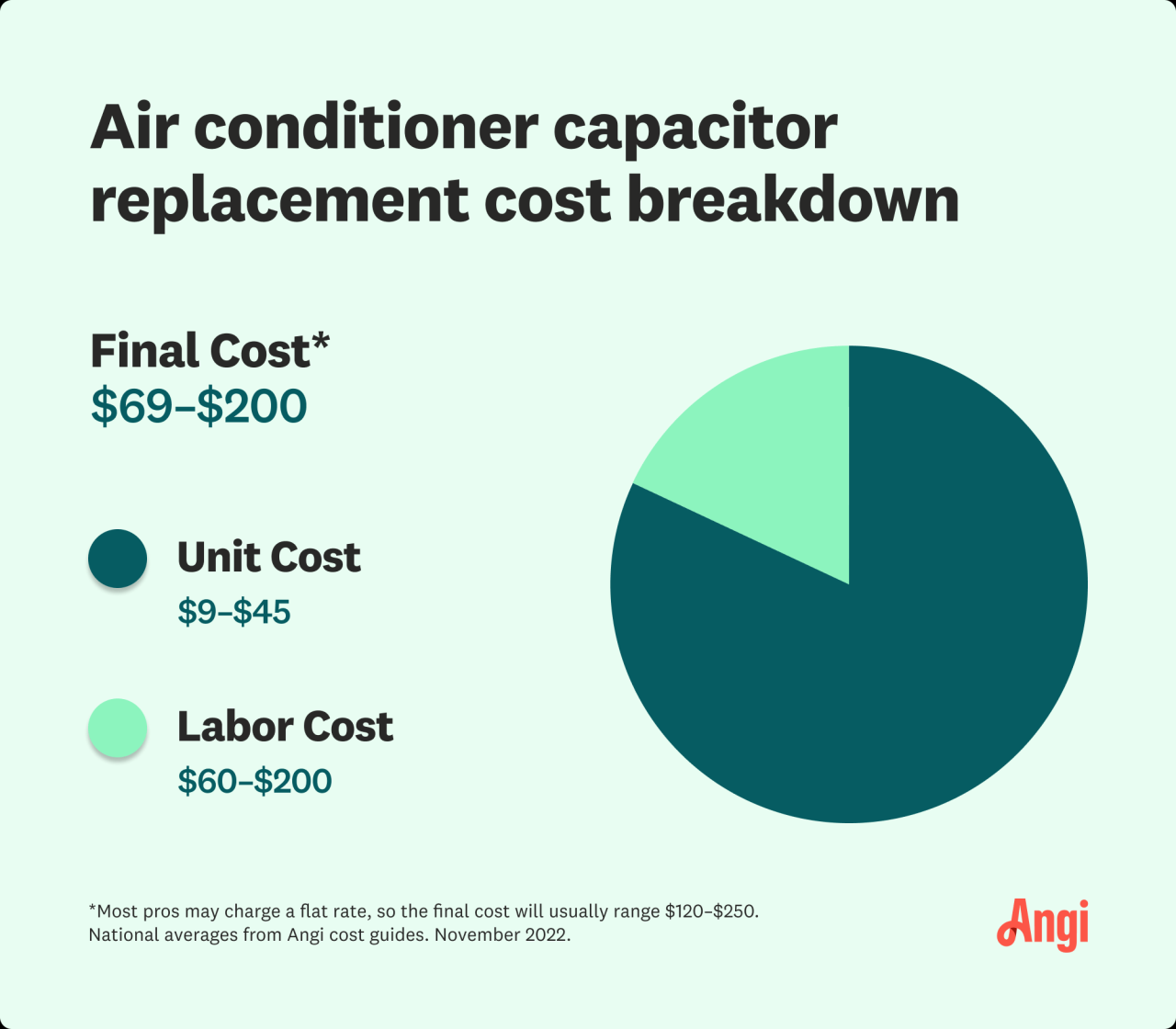
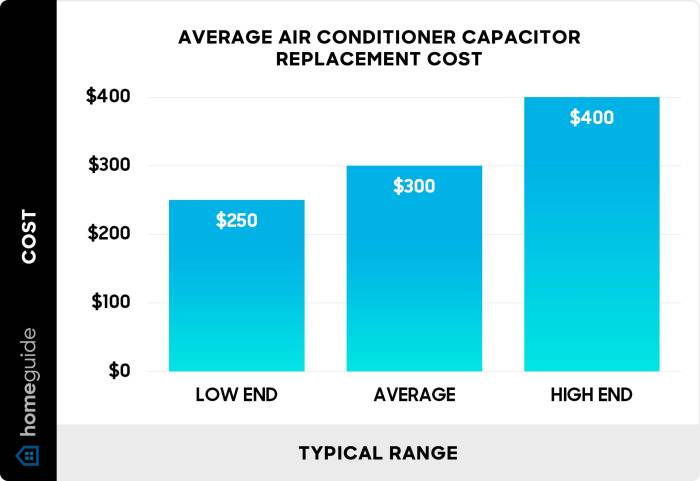
When it comes to replacing an AC capacitor, the cost can vary depending on various factors such as the type of capacitor needed, the brand of the HVAC system, and the labor costs involved. On average, the cost range for AC capacitor replacement typically falls between $150 to $400.
The labor costs involved in replacing an AC capacitor can range from $50 to $150 per hour. This cost includes the technician’s time to diagnose the issue, source the correct replacement capacitor, and install it properly in the HVAC system.
The cost of replacing a single capacitor in an HVAC system is usually around $150 to $300, including parts and labor. However, if multiple capacitors need to be replaced, the cost can increase accordingly. In such cases, the average cost range for replacing multiple capacitors in an HVAC system can be between $300 to $600 or more, depending on the number of capacitors needing replacement.
Replacing an AC capacitor can be a common issue for many homeowners. When faced with this problem, one may wonder whether to tackle the replacement themselves or hire a professional. Both options have their own set of advantages and disadvantages to consider.
When it comes to your HVAC system, the capacitor plays a crucial role in ensuring the smooth operation of your air conditioner. Identifying signs that indicate the need for AC capacitor replacement can help homeowners address potential issues before they escalate, ultimately saving time and money in the long run.
By recognizing these common symptoms of a faulty AC capacitor, homeowners can take a proactive approach to addressing potential issues before they lead to a complete breakdown of the HVAC system. Timely identification and replacement of a faulty capacitor can help maintain the efficiency and longevity of your air conditioner, preventing costly repairs or replacements down the line.
Replacing a faulty AC capacitor in a timely manner is crucial to prevent further damage to your HVAC system. Ignoring the signs of a failing capacitor can put additional strain on other components of the air conditioner, leading to more extensive and costly repairs in the future.
By prioritizing timely replacement, homeowners can ensure the continued performance and efficiency of their air conditioning system.
In conclusion, understanding the signs indicating the need for AC capacitor replacement is crucial for maintaining your HVAC system’s health. Whether you opt for a DIY approach or seek professional help, timely replacement is key to preventing further damage.
What factors can affect AC capacitor replacement cost?
Factors such as brand, size, type of capacitor, and the age/condition of the HVAC system can impact the replacement cost.
What is the average cost range for AC capacitor replacement?
The typical cost range varies, including labor costs. Replacing a single capacitor is different from replacing multiple capacitors in an HVAC system.
What are the advantages of hiring a professional for AC capacitor replacement?
Professionals offer expertise and ensure proper installation, reducing the risk of errors and potential damage.
What signs indicate the need for AC capacitor replacement?
Common symptoms include issues like weak airflow, frequent cycling, or strange noises. Addressing these signs promptly can prevent further HVAC system damage.