Diving into the realm of AC replacement cost, this introduction sets the stage for a comprehensive exploration of the key factors influencing costs, different types of AC systems and their implications, regional cost differences, and methods for estimating expenses. The discussion aims to provide valuable insights into the intricacies of AC replacement costs, offering readers a nuanced understanding of this essential aspect of home maintenance.
When it comes to the cost of replacing an air conditioning (AC) unit, several factors come into play that can impact the overall expense. Understanding these factors can help homeowners make informed decisions when it comes to replacing their AC system.
Replacing an AC unit involves various components that can influence the overall cost. These components include the type of unit being installed, the brand, the complexity of the installation process, and any additional features or upgrades.
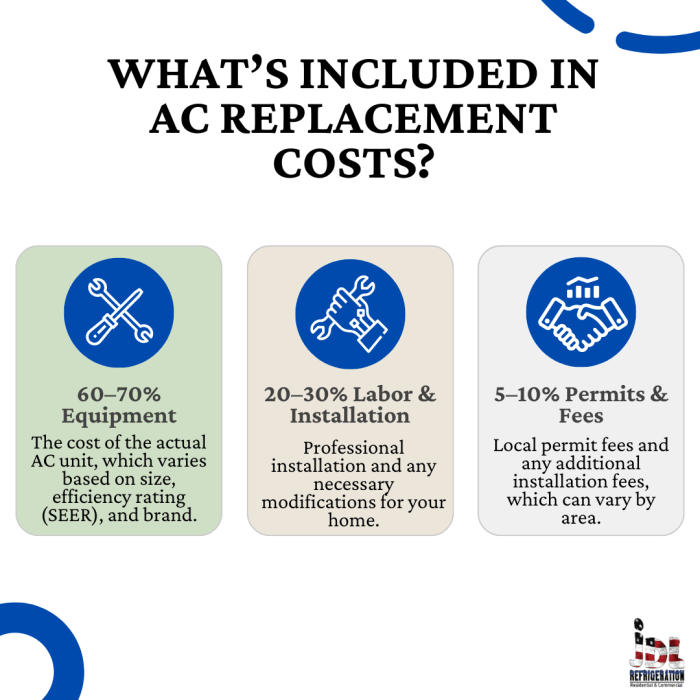
The size of the AC unit is a crucial factor in determining replacement costs. Larger units typically cost more to install due to the increased materials and labor required. It is essential to ensure that the new unit is appropriately sized for the space to maximize efficiency and minimize long-term costs.
Energy efficiency plays a significant role in determining replacement costs. While more energy-efficient units may have a higher upfront cost, they can lead to long-term savings on energy bills. Investing in a high-efficiency AC unit can result in lower operating costs over time.
Other factors that can affect the overall cost of replacing an AC unit include the location of the installation, any necessary ductwork modifications, the need for permits, and the level of insulation in the home. These additional factors can add to the total cost of the replacement project.
When it comes to AC systems, the type you choose can have a significant impact on the overall cost of replacement. Let’s explore the various types of AC systems and how they can influence the cost.
Central AC systems are typically more expensive to install and replace compared to ductless mini-split systems. The cost of a central AC system can vary depending on the size of the home and the complexity of the installation. On the other hand, ductless mini-split systems are usually more affordable and easier to install, making them a cost-effective option for smaller spaces.
The age of the AC system can also impact replacement costs. Older systems may require more extensive repairs or upgrades during replacement, which can drive up the overall cost. In contrast, newer systems may be more efficient and less prone to breakdowns, resulting in lower replacement costs.
The complexity of the installation process can also affect the overall cost of replacing an AC system. For example, if your home requires extensive ductwork or modifications to accommodate a new system, the installation costs can increase significantly. Simpler installations, such as replacing a window AC unit with a similar model, are generally more affordable.
Window AC units are typically the least expensive option when it comes to initial purchase and installation costs. However, they may not be as efficient or long-lasting as traditional split systems, which tend to have higher upfront costs but lower long-term maintenance expenses.
When considering replacement costs, it’s important to weigh the initial investment against the potential savings over time.
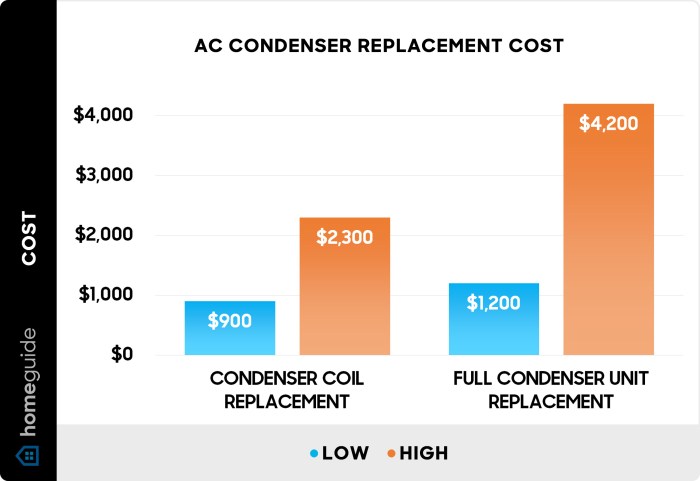
Geographical location plays a significant role in determining the cost of AC replacement. Factors such as climate, local regulations, and market demand can greatly influence the expenses associated with replacing an air conditioning system.
Climate can have a direct impact on the wear and tear of AC systems. In regions with extreme temperatures, air conditioners may have to work harder and thus wear out faster, leading to more frequent replacements. This can result in higher replacement costs compared to regions with milder climates.
For instance, in hot and humid areas like Florida or Texas, where air conditioning is used extensively throughout the year, the demand for AC replacement services is higher. This increased demand can drive up prices for replacement parts and labor, making the overall cost of AC replacement more expensive compared to regions with cooler climates.
Local regulations and building codes can also impact the cost of AC replacement. Some regions may have specific requirements or restrictions when it comes to installing or replacing air conditioning systems. Compliance with these regulations may involve additional steps or materials, adding to the overall cost of the replacement process.
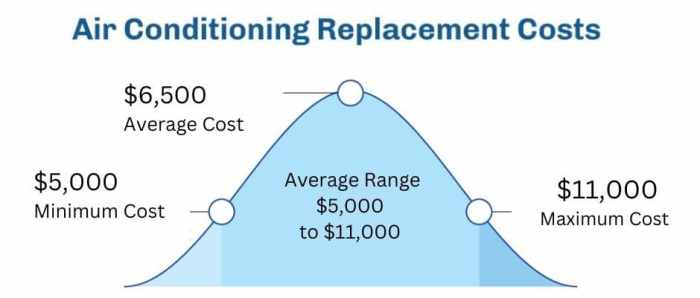
When it comes to AC replacement, understanding the breakdown of costs involved is crucial for homeowners to budget effectively and make informed decisions. Estimating AC replacement costs can be a complex process, but there are common methods that professionals use to provide accurate quotes.
Here, we will delve into the typical breakdown of costs, discuss estimation methods, offer tips for homeowners to obtain accurate cost estimates, and emphasize the importance of getting multiple quotes for comparison.
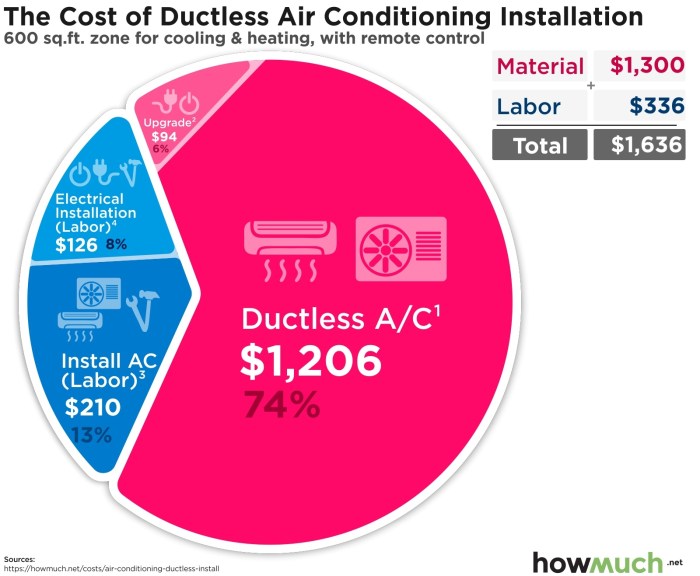
In conclusion, the discussion on AC replacement costs sheds light on the multifaceted nature of this topic, emphasizing the importance of considering various factors such as system type, geographical location, and estimation methods. By understanding these key elements, homeowners can make informed decisions regarding AC replacements, ensuring optimal efficiency and cost-effectiveness in the long run.
What are the main factors influencing AC replacement cost?
The main factors include the type of AC system, size of the unit, energy efficiency, installation complexity, and additional components needed.
How does the age of the AC system affect replacement costs?
Older systems may require more extensive repairs or replacements, leading to higher overall costs.
What role does geographical location play in AC replacement expenses?
Geographical location can impact costs due to varying labor rates, material prices, and climate factors.
How can homeowners obtain accurate cost estimates for AC replacement?
Homeowners can get accurate estimates by consulting with HVAC professionals, comparing multiple quotes, and considering all relevant factors.